Everglades National Park

Official park boundary · National Park Service
Take the scenic way to Everglades National Park.
Byway plans around your taste, verified places, real weather and opening hours — then opens every leg in Google Maps with one tap.
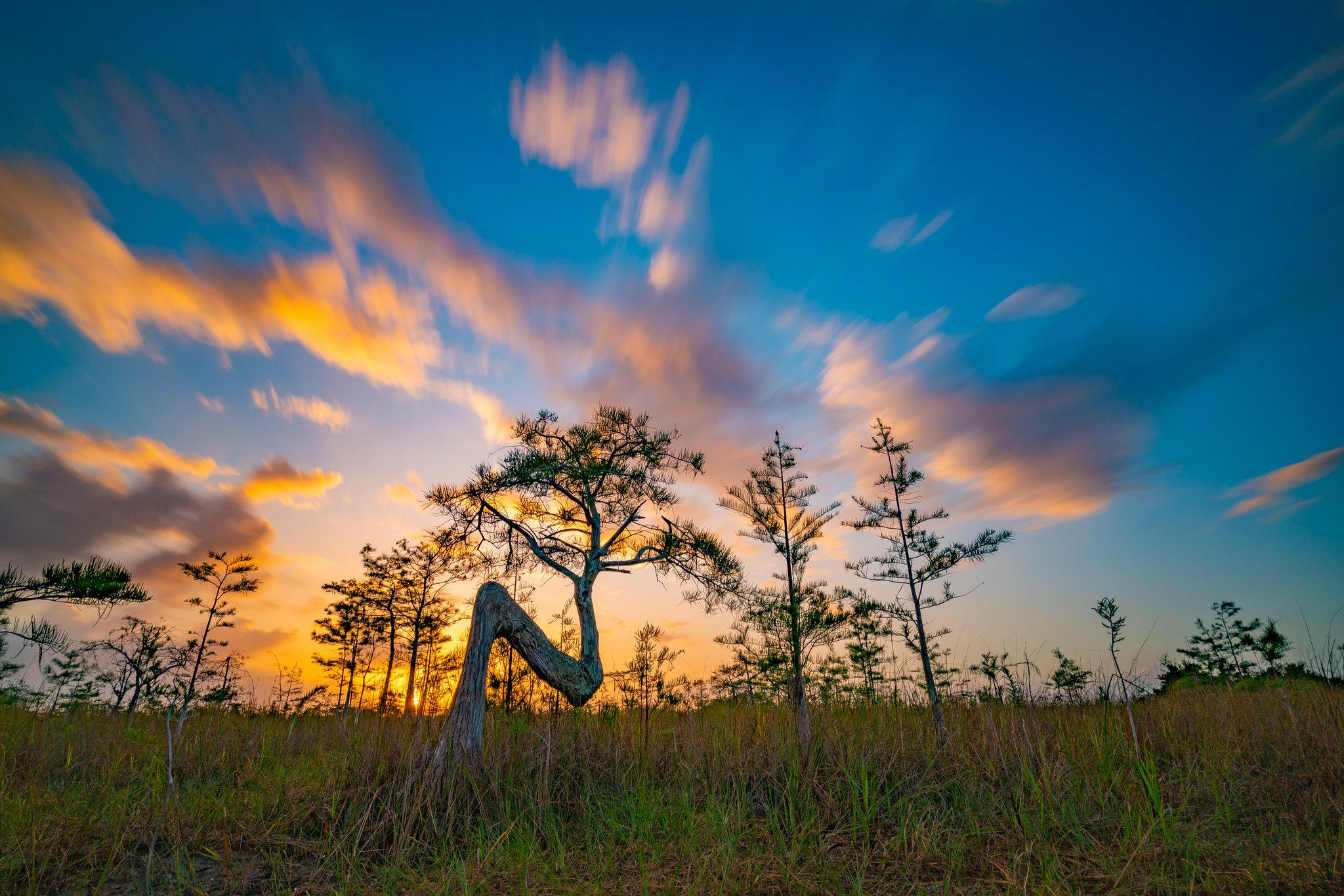
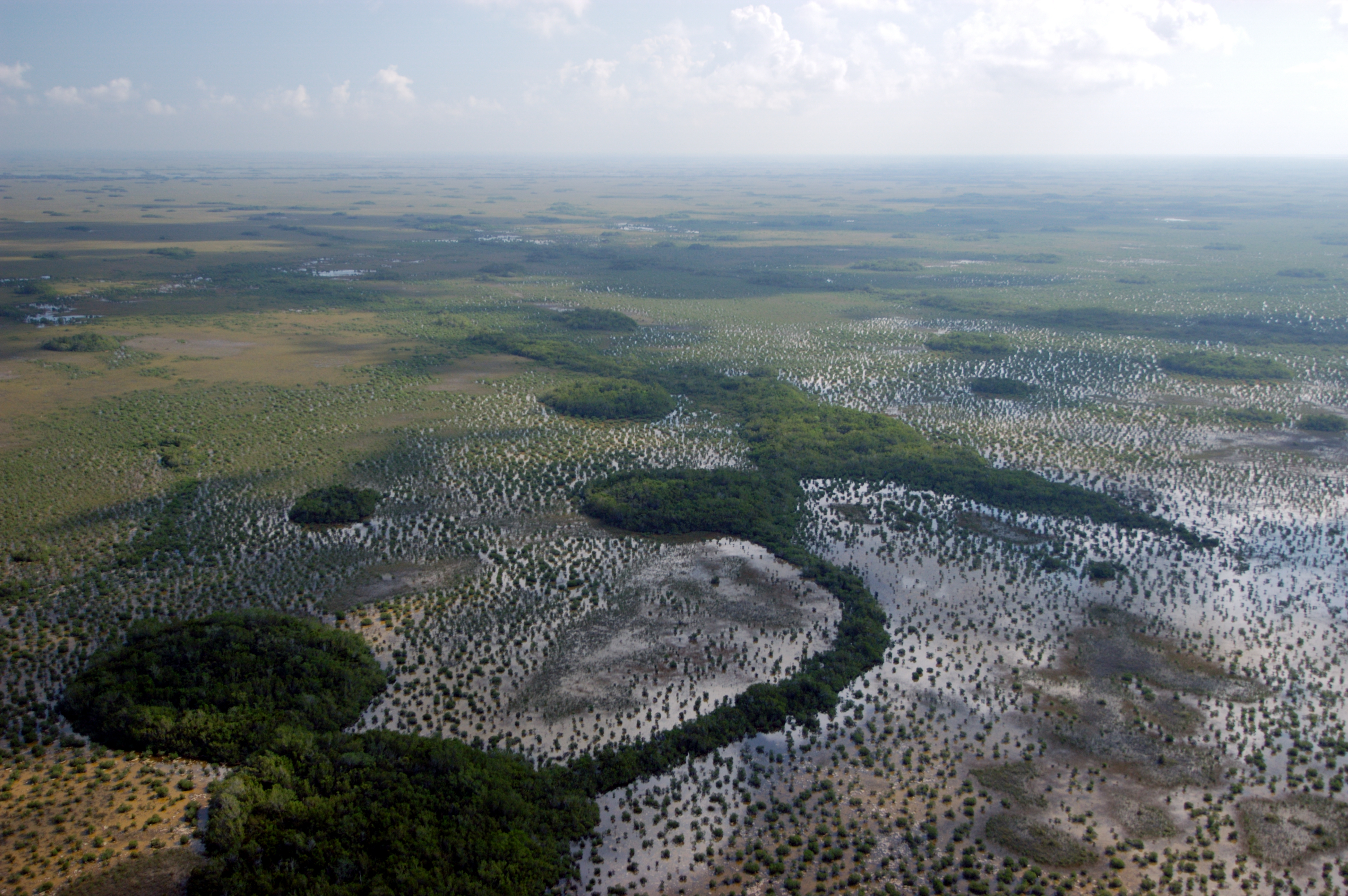
Established in 1947 as the first national park created for its biodiversity, Everglades National Park protects 1.5 million acres of wetland, forest, and marine habitats and the native plants and animals that call it home. With several international designations, the park provides a major source of drinking water for local residents of South Florida and recreational opportunities for all.
Everglades National Park is a United States national park that protects the southern twenty percent of the original Everglades in Florida. The park is the largest tropical wilderness in the United States and the largest wilderness of any kind east of the Mississippi River. An average of one million people visit the park each year. Everglades is the third-largest national park in the contiguous United States after Death Valley and Yellowstone. It was declared a national park in 1947. UNESCO declared the Everglades & Dry Tortugas Biosphere Reserve in 1976 and listed the park as a World Heritage Site in 1979, and the Ramsar Convention included the park on its list of Wetlands of International Importance in 1987. Everglades is one of only three locations in the world to appear on all three lists.
Directions to Ernest Coe Visitor Center 40001 State Road 9336, Homestead, FL 33034 Visitors coming from the Miami area and points north should take the Florida Turnpike (Route 821) south until it ends merging with U.S. 1 at Florida City. Turn right at the first traffic light onto Palm Drive (State Road 9336/SW 344th St.) and follow the signs to the park. Visitors driving north from the Florida Keys should turn left on Palm Drive in Florida City and follow the signs to the park.
The climate in Florida is known to be mild and sunny.The average annual temperatures for South Florida and the Keys range from 74° to 77°F (23° to 25°C). There are two seasons at the Everglades National Park: the wet season and the dry season. The wet season runs from Mid-May to November and the dry season runs from December to mid-May.
Source: National Park Service
Admits the passholder and passengers of a single vehicle or vessel. Good for 7 consecutive days at all park entrances.
Valid for 7 days. Admits up to 2 private, non-commercial motorcycles with up to 4 total passengers.
Good for 7 consecutive days at all park entrances. Admits one individual hiker, bicyclist, pedestrian, or human-powered paddlecraft, when not arriving in a vehicle or vessel.
All accredited educational and scientific institutions are eligible to receive free entrance to the park.
Park facts, fees, and activities confirmed against the National Park Service registry.
National Park Service registryChecked 2026-08-04
- Ten Thousand Islands Boat Tour
Experience the natural beauty of Everglades National Park's Ten Thousand Islands with a boat tour on Chokoloskee Bay.
- Fishing in the Everglades
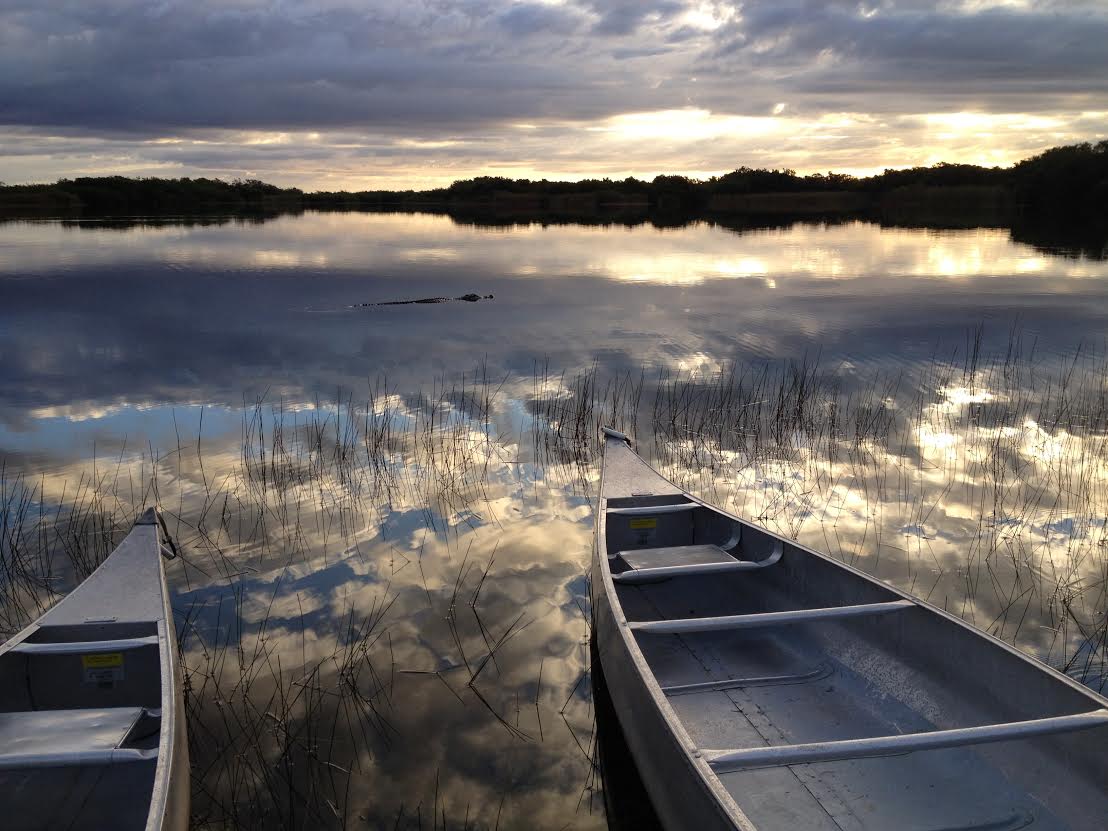
One third of Everglades National Park is covered by water, creating excellent boating and fishing opportunities! Snapper, sea trout, redfish, bass, and bluegill are plentiful. Saltwater fishing includes Florida Bay, the Ten Thousand Islands, and elsewhere in the park's coastal zone.
- Shark Valley Tram Tour
Exploring the Shark Valley area by tram is a great way to see and learn about the wildlife and hisotry of Everglades National Park. Guided two-hour tram tours are offered along a fifteen-mile loop trail into the "River of Grass".
- Biking at Shark Valley
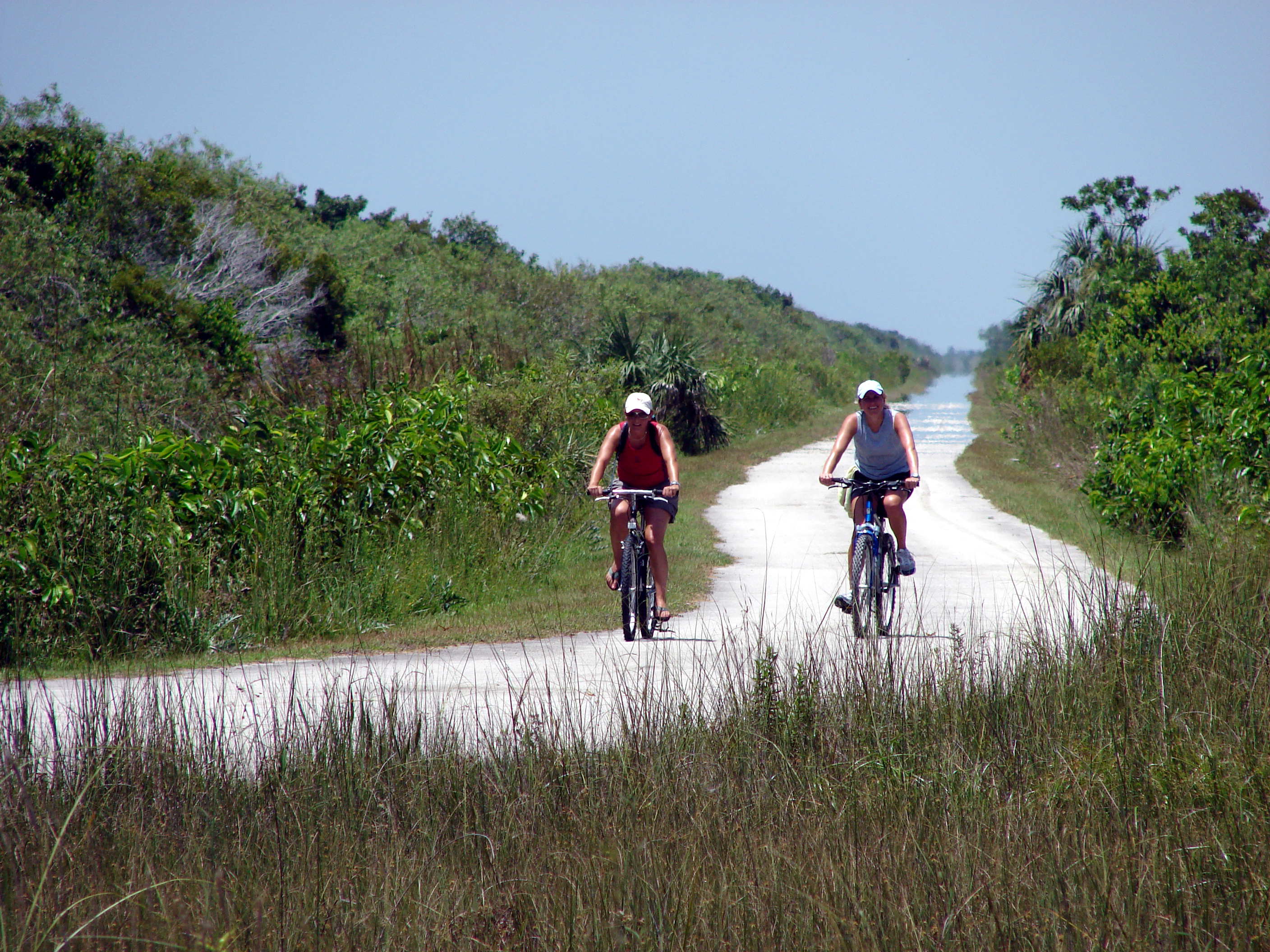
Explore the everglades by biking the 15-mile (24 km) Shark Valley Tram Road. Along the way you can experience the wide array of wildlife, diverse freshwater ecosystems, and get a unique view of the Everglades!
- Birding at Flamingo
Flamingo offers ample birding opportunities along its many trail areas as well as around the visitor center and marina. The mix of mangrove and coastal prairie habitats host a bounty of wading birds, shorebirds and waterbirds throughout the year.
- Birding Snake Bight Trail
Snake Bight Trail can be walked any time of year, but is easiest to walk in the winter when mosquitoes are not abundant. This trail offers the opportunity to see birds restricted to coastal habitats, including Reddish Egret.
- Birding Along the Anhinga Trail
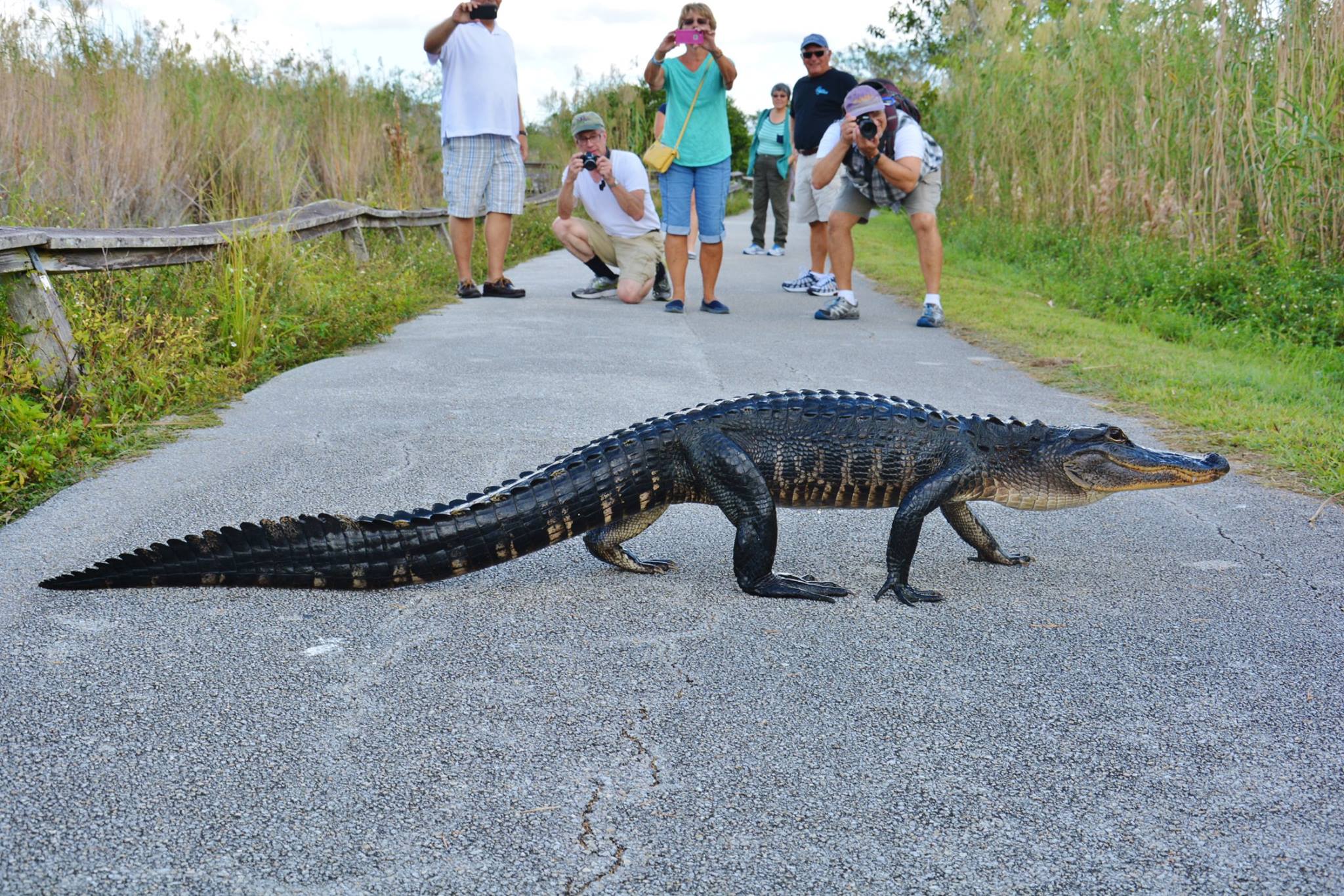
The Anhinga Trail is a popular place to start your exploration at Everglades National Park, providing a ready sample of wetland wildlife including alligators, turtles, fish, plants, and birds, all along a short, three-quarter mile paved and boardwalk trail.
- Flamingo Boat Tours
Flamingo is the launching point for water excursions into Everglades National Park. Whitewater Bay and Florida Bay offer abundant wildlife and a chance to visit the parts of the Everglades only accessible by boat.
Source: National Park Service
Where is Everglades National Park?
Everglades National Park is in Florida.
When was Everglades National Park established?
Everglades National Park was established in 1934.
How big is Everglades National Park?
Everglades National Park covers 2,358 square miles (1,508,939 acres).
How much does it cost to enter Everglades National Park?
Everglades National Park charges $35 per private vehicle. Other rates apply to motorcycles, cyclists and walk-ins, and some parks add their own reservation or surcharge on top.
Can you camp in Everglades National Park?
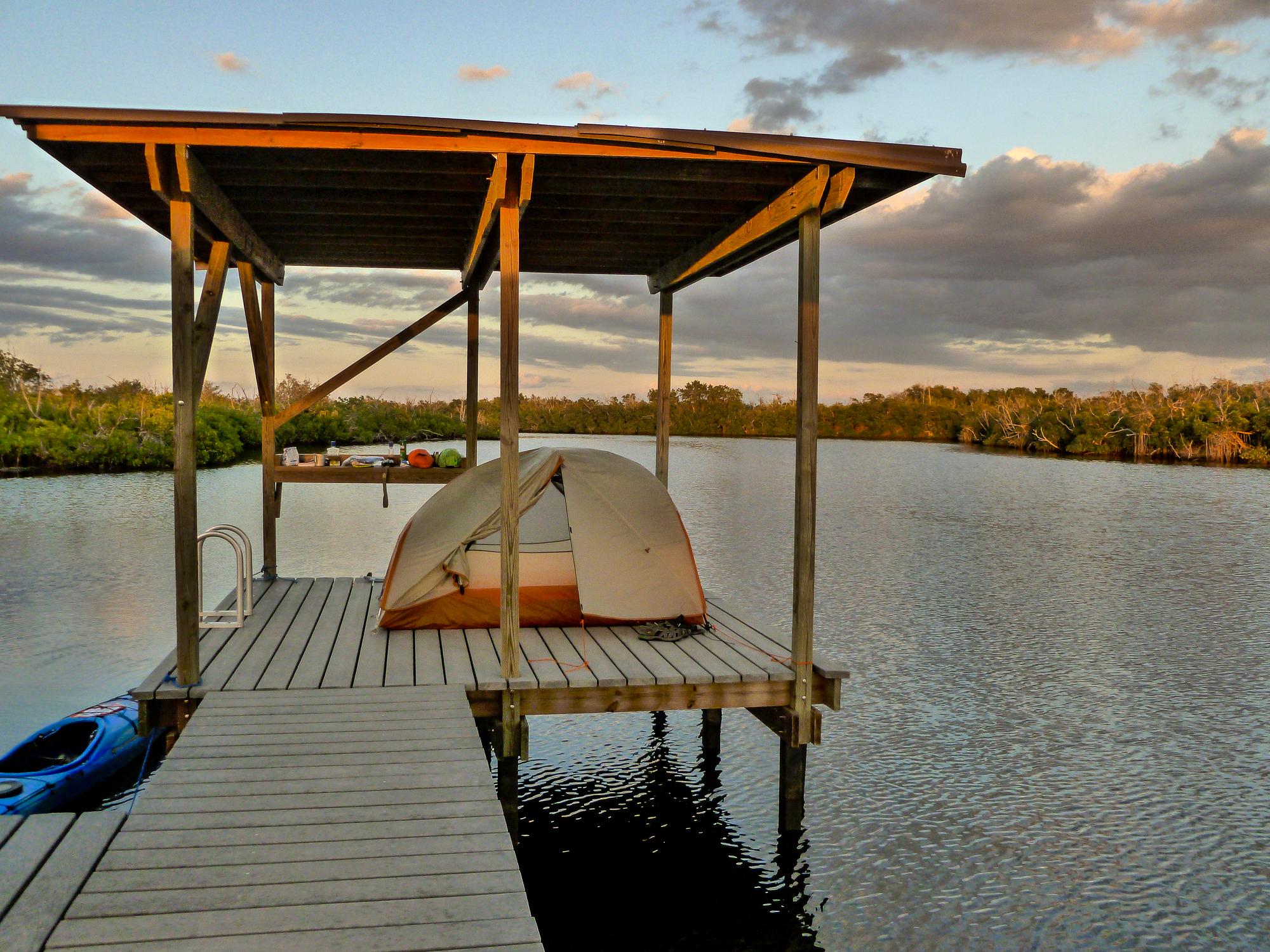
Yes. The National Park Service runs 2 campgrounds in Everglades National Park, with 382 campsites between them.
Does Everglades National Park have a visitor center?
Yes. Everglades National Park has 4 visitor centers: Ernest F. Coe Visitor Center, Guy Bradley Visitor Center (at Flamingo), Marjory Stoneman Douglas Visitor Center (Gulf Coast), Shark Valley Visitor Center.
Day trips start here
- Everglades National Park · 17 mi
Drive Everglades with Byway
Byway plans the scenic day around Everglades — real places, real weather, every stop verified. Zero hallucinations. Google Maps for turns. Byway for soul.