Lake Clark National Park

Official park boundary · National Park Service
Take the scenic way to Lake Clark National Park.
Byway plans around your taste, verified places, real weather and opening hours — then opens every leg in Google Maps with one tap.
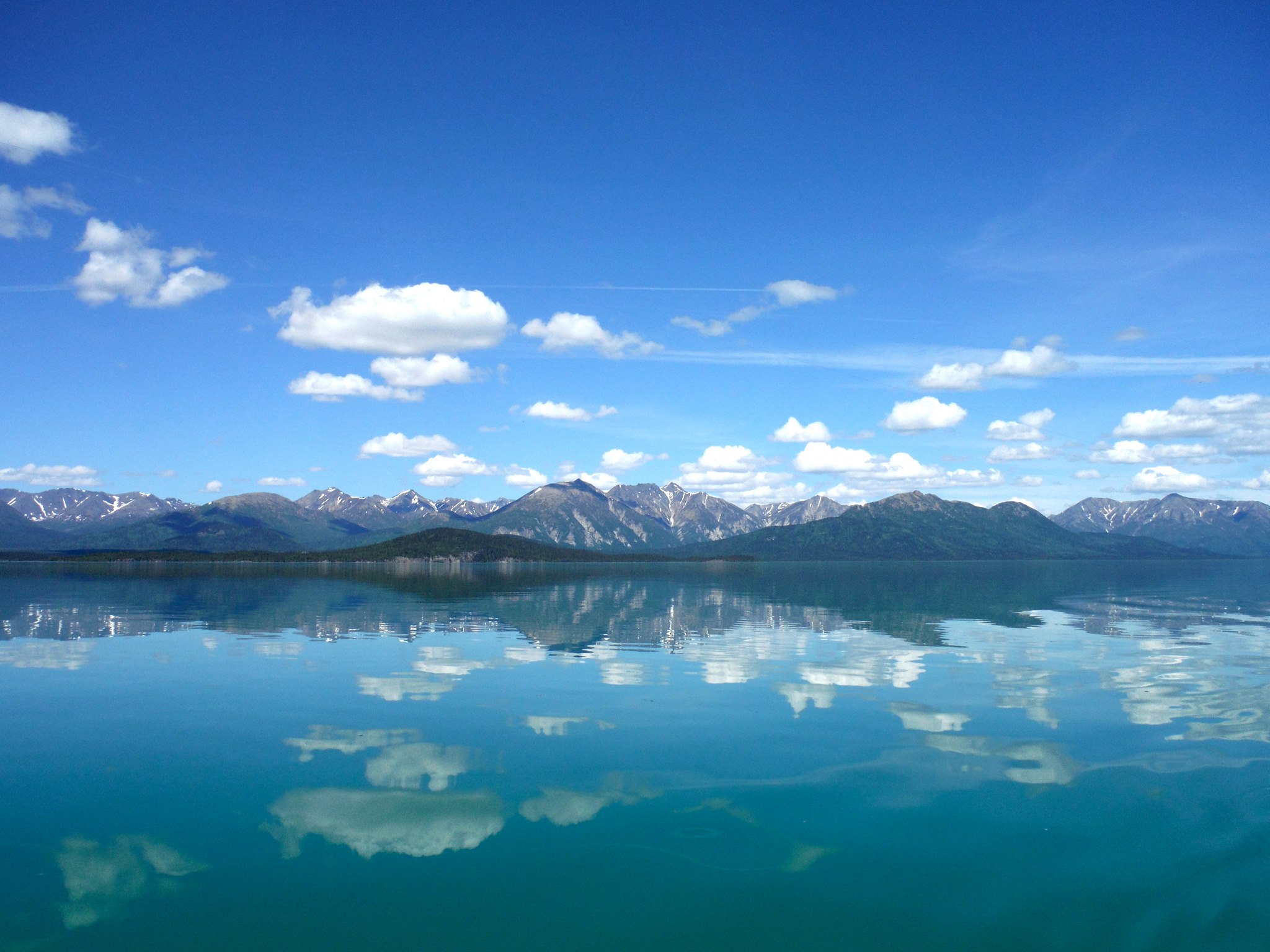
Lake Clark National Park and Preserve is a land of stunning beauty. Volcanoes steam, salmon run, bears forage, and craggy mountains reflect in shimmering turquoise lakes. Here, too, local people and culture still depend on the land and water. Venture into the park to become part of the wilderness.
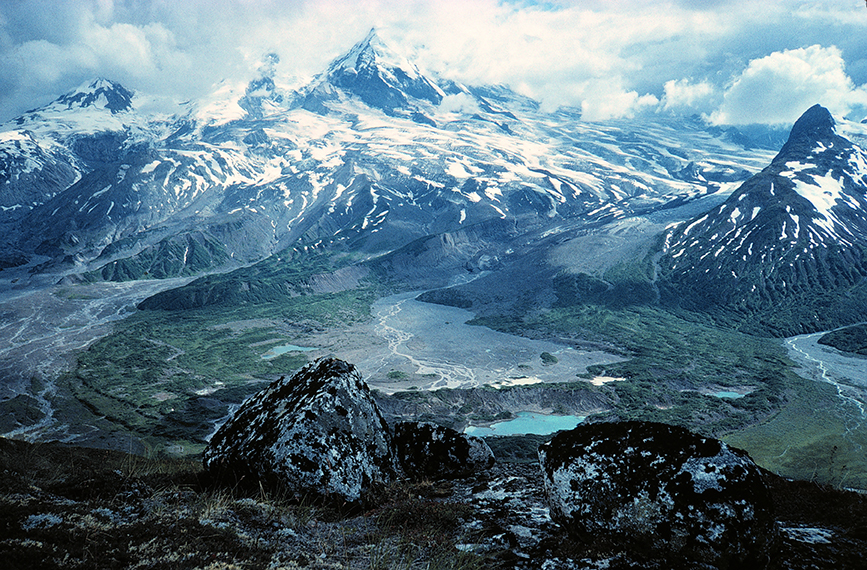
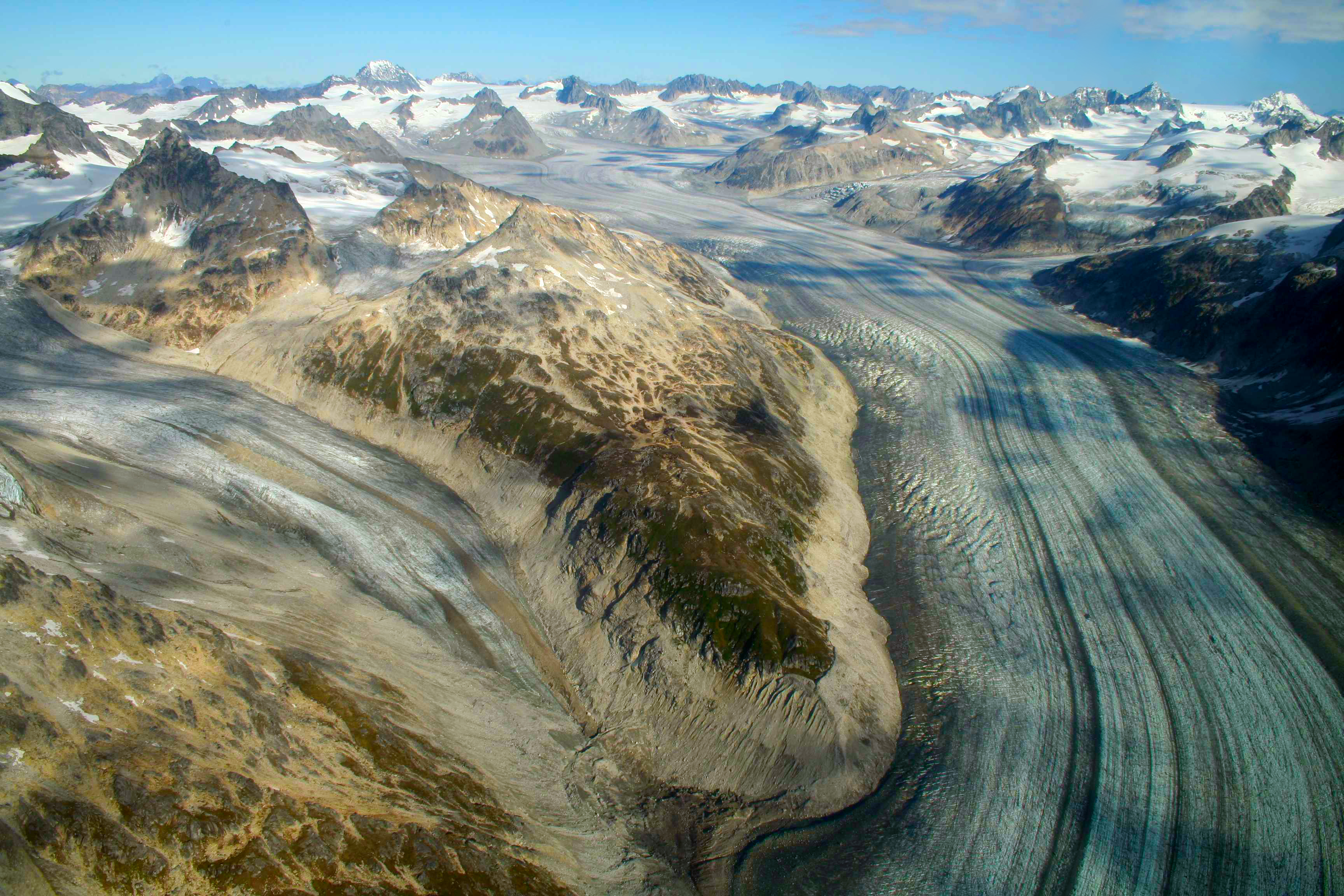
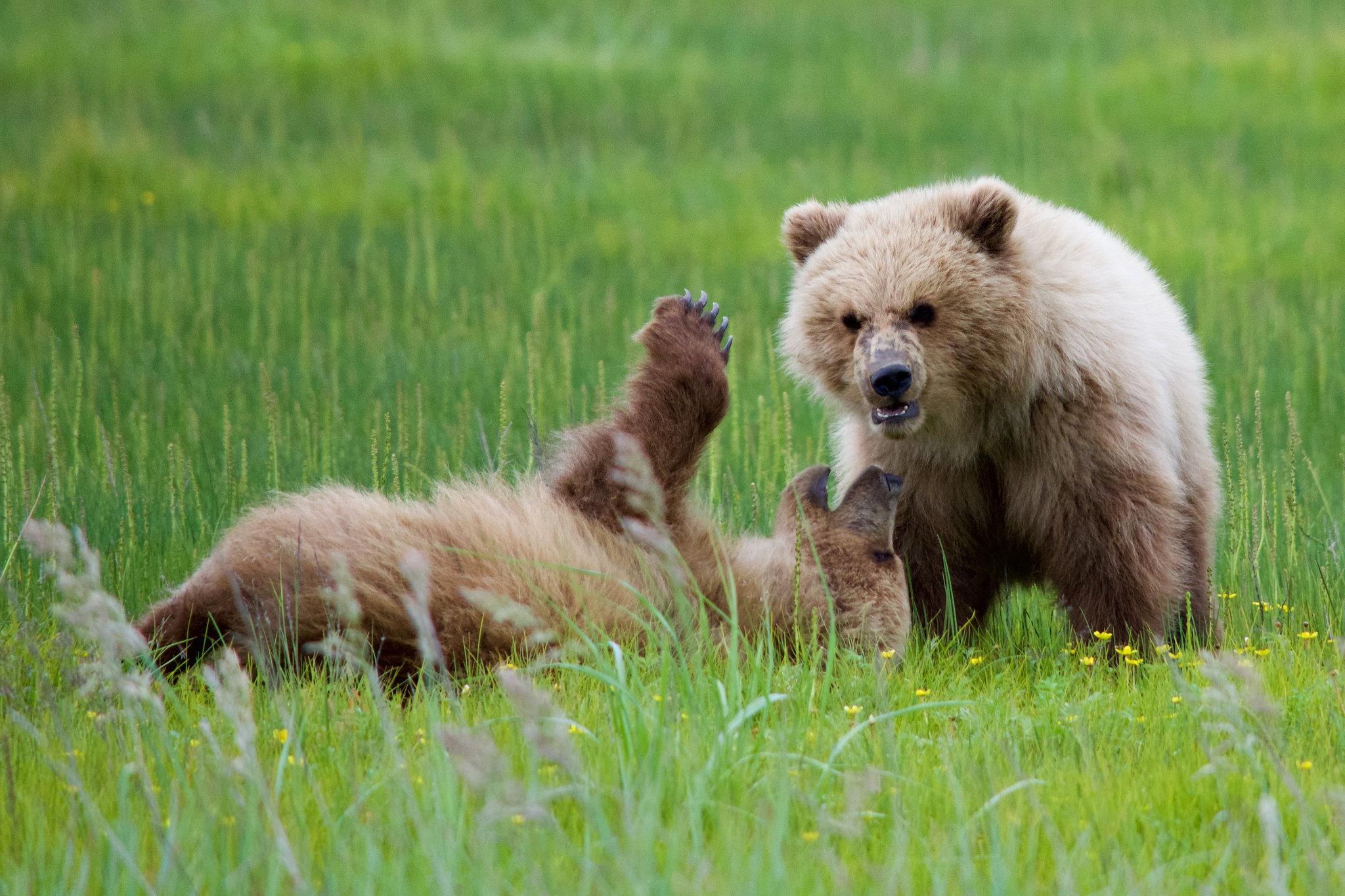
Lake Clark National Park and Preserve is a United States national park and preserve in southwest Alaska, about 100 miles (160 km) southwest of Anchorage. The park was first proclaimed a national monument in 1978, then established as a national park and preserve in 1980 by the Alaska National Interest Lands Conservation Act. The park includes many streams and lakes vital to the Bristol Bay salmon fishery, including its namesake Lake Clark. A wide variety of recreational activities may be pursued in the park and preserve year-round. The park protects rainforests along the coastline of Cook Inlet, alpine tundra, glaciers, glacial lakes, major salmon-bearing rivers, and two volcanoes, Mount Redoubt and Mount Iliamna. Mount Redoubt is active, erupting in 1989 and 2009. The wide variety of ecosystems in the park mean that virtually all major Alaskan animals, terrestrial and marine, may be seen in and around the park. Salmon, particularly sockeye salmon, play a major role in the ecosystem and the local economy. Large populations of brown bears are attracted to feed on the spawning salmon in the Kijik River and at Silver Salmon Creek. Bear watching is a common activity in the park.
Lake Clark is located on the Alaska Peninsula southwest of Anchorage and north of Katmai National Park. It is not on the road system; therefore, in order to get here you must travel either via plane or by boat. A one to two-hour flight from Anchorage, Kenai, or Homer will provide access to most points within Lake Clark. Fixed-wing aircraft are allowed to land on all suitable lakes, rivers, beaches, gravel bars, and open ground in both the park and preserve unless the area is closed or otherwise restricted.
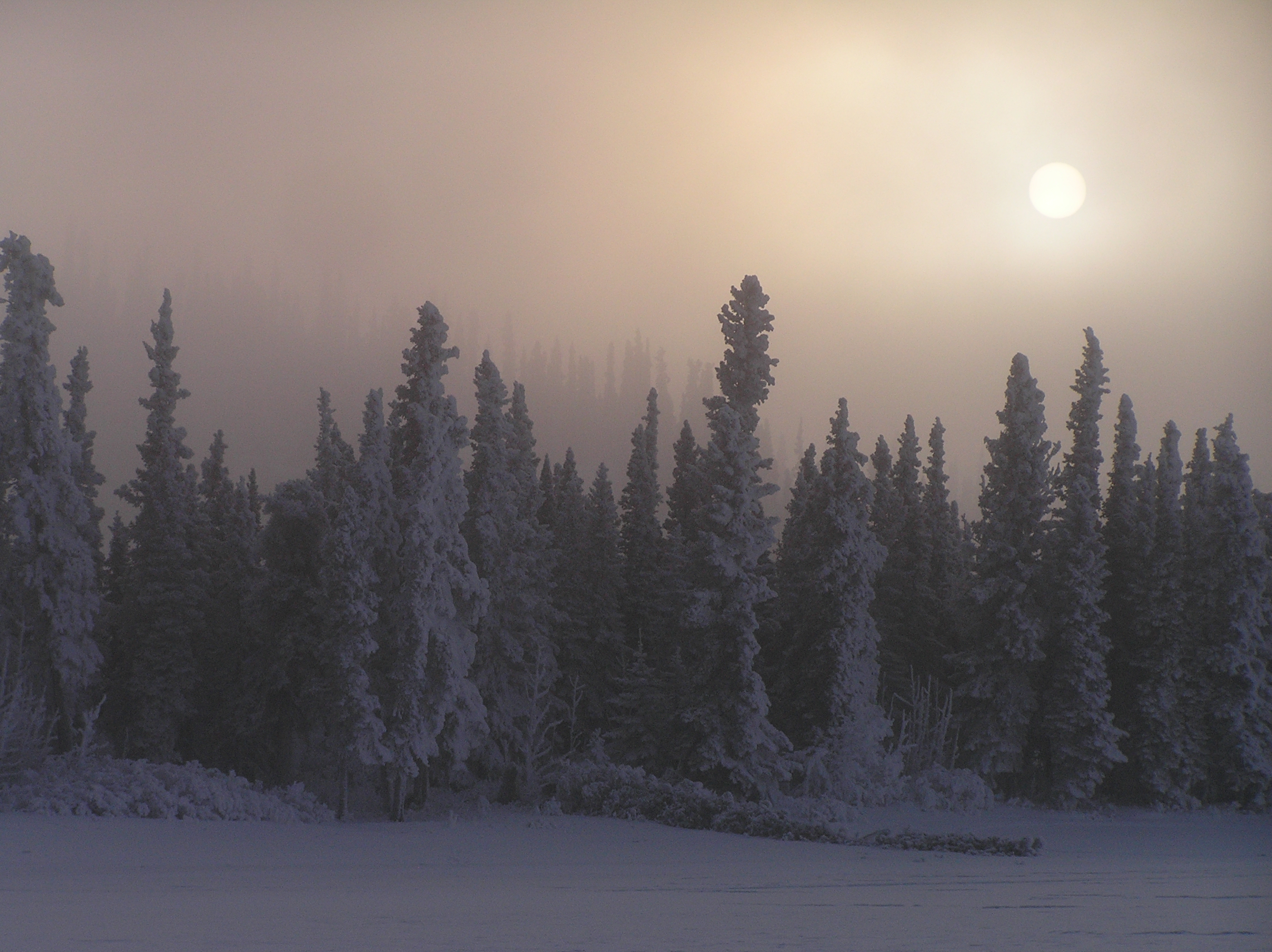
Lake Clark has two distinct climate areas: the coast and the interior. The coast is wetter and experiences milder temperatures. The interior gets half to one fourth as much precipitation, but temperatures are hotter in summer and colder in winter. Frost and snow can occur any time parkwide, but are most common from September to early June. Lakes here typically begins freezing in November and melting in April. Ice conditions dictate whether planes need floats or skis to land on lakes.
Source: National Park Service
Park facts, fees, and activities confirmed against the National Park Service registry.
National Park Service registryChecked 2026-08-04
- Flight Seeing at Lake Clark
Discover safely from a bird’s eye view. Volcanoes, coastline, mountain ranges, tundra, lakes, rivers, wildlife, and more! What will you see on your flight seeing trip?
- Remote Base Camping
A camping trip into Lake Clark's trail-less wilderness can be a spectacular and rewarding experience. Thorough preparation and careful trip planning will help ensure you have a safe and meaningful trip.
- Camp at Kontrashibuna Lake
Pack up and journey out to the wilderness. Lay in your tent listening to a lone wolf's howl. Stand in awe as mountains reflect across still waters in the early morning light.
- Fly-In Bear Viewing Along the West Cook Inlet Coast
Learn where to go to see bears and become familiar with bear viewing best practices. Then watch the park's beautiful new 11 minute-long film, A Day on the Lake Clark National Park Coastline to get a feel for experience of being on the coast with bears.
- Spend the Night in a Rustic Cabin
Experience the simplicity and beauty of a public use cabin. Enjoy world class fishing and kayaking right outside the front door of a beautiful cabin in remote Alaska.
- Go Fishing on Lake Clark
Lake Clark provides excellent fishing opportunities for adventurous anglers. The park and preserve includes some of the most pristine fishery habitats in the National Park system. Fly or boat out from Port Alsworth onto Lake Clark, where incredible fishing awaits.
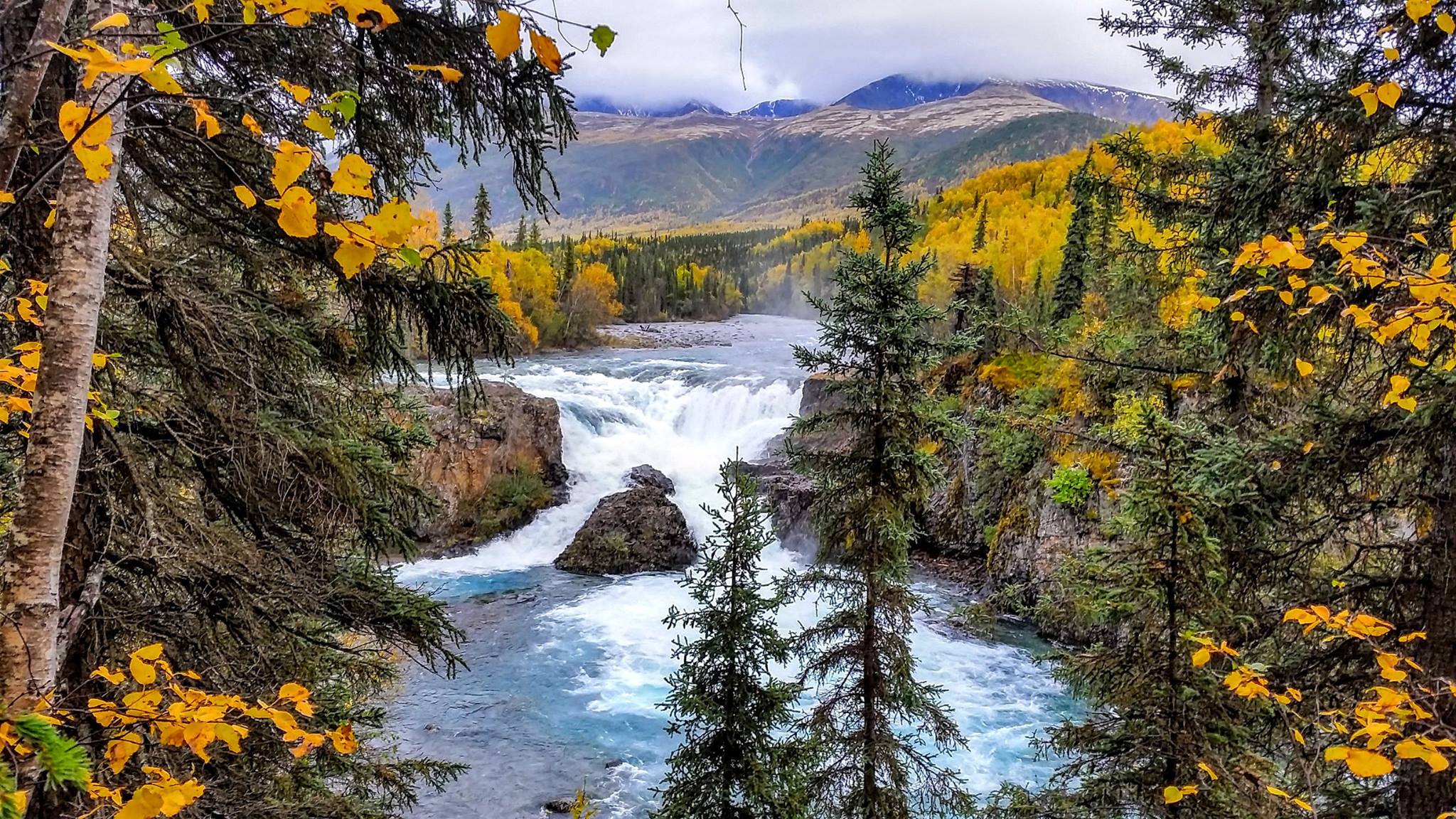
- Go Fly Fishing at Tanalian Falls
Want to try fishing in Alaska? This scenic spot offers both the lure of possible grayling catches and opportunities to take stunning pictures
- Explore How Salmon Are Sustaining Southwest Alaska Communities
The Kvichak watershed which is fed by Lake Clark and runs into Bristol Bay, is one of the world's most productive spawning and rearing habitats for sockeye salmon. Lake Clark protects clean cold water within these spawning grounds.
Source: National Park Service
Where is Lake Clark National Park?
Lake Clark National Park is in Alaska.
When was Lake Clark National Park established?
Lake Clark National Park was established in 1980.
How big is Lake Clark National Park?
Lake Clark National Park covers 4,093 square miles (2,619,816 acres).
Can you camp in Lake Clark National Park?
Yes. The National Park Service runs 1 campground in Lake Clark National Park.
Does Lake Clark National Park have a visitor center?
Yes. Lake Clark National Park has 1 visitor center: Port Alsworth Visitor Center.
Drive Lake Clark with Byway
Byway plans the scenic day around Lake Clark — real places, real weather, every stop verified. Zero hallucinations. Google Maps for turns. Byway for soul.