Big Bend National Park

Official park boundary · National Park Service
Take the scenic way to Big Bend National Park.
Byway plans around your taste, verified places, real weather and opening hours — then opens every leg in Google Maps with one tap.
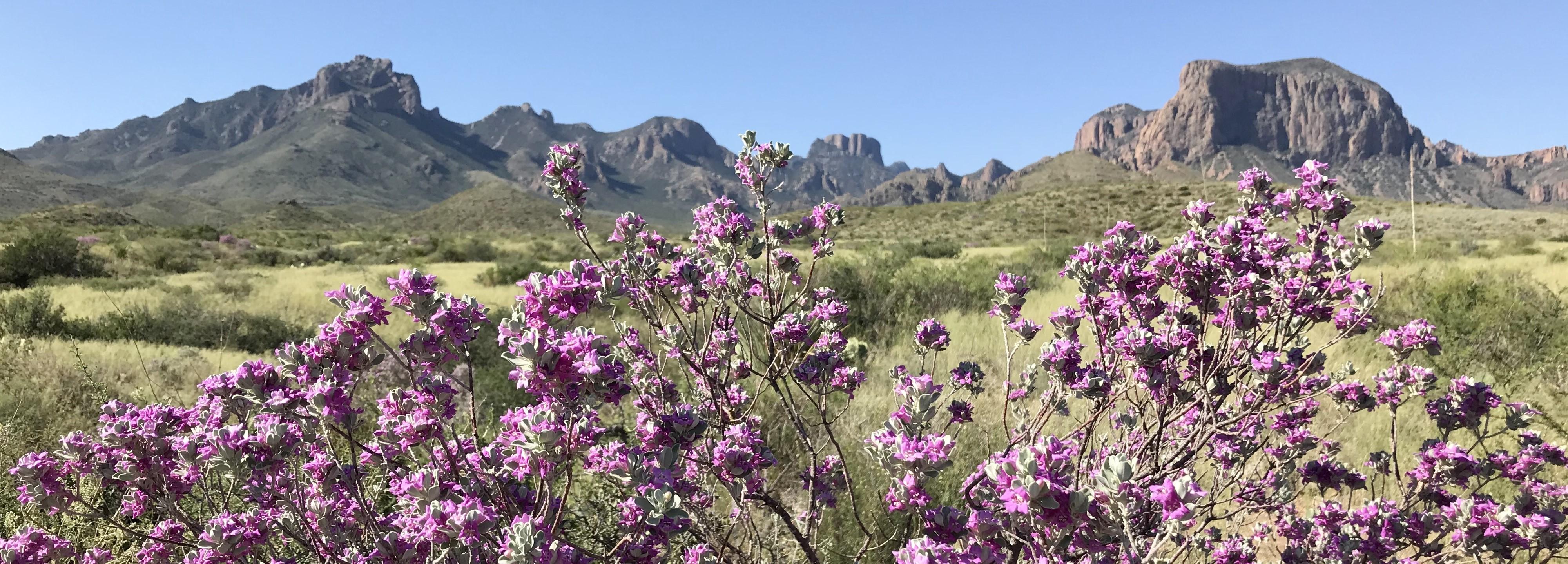
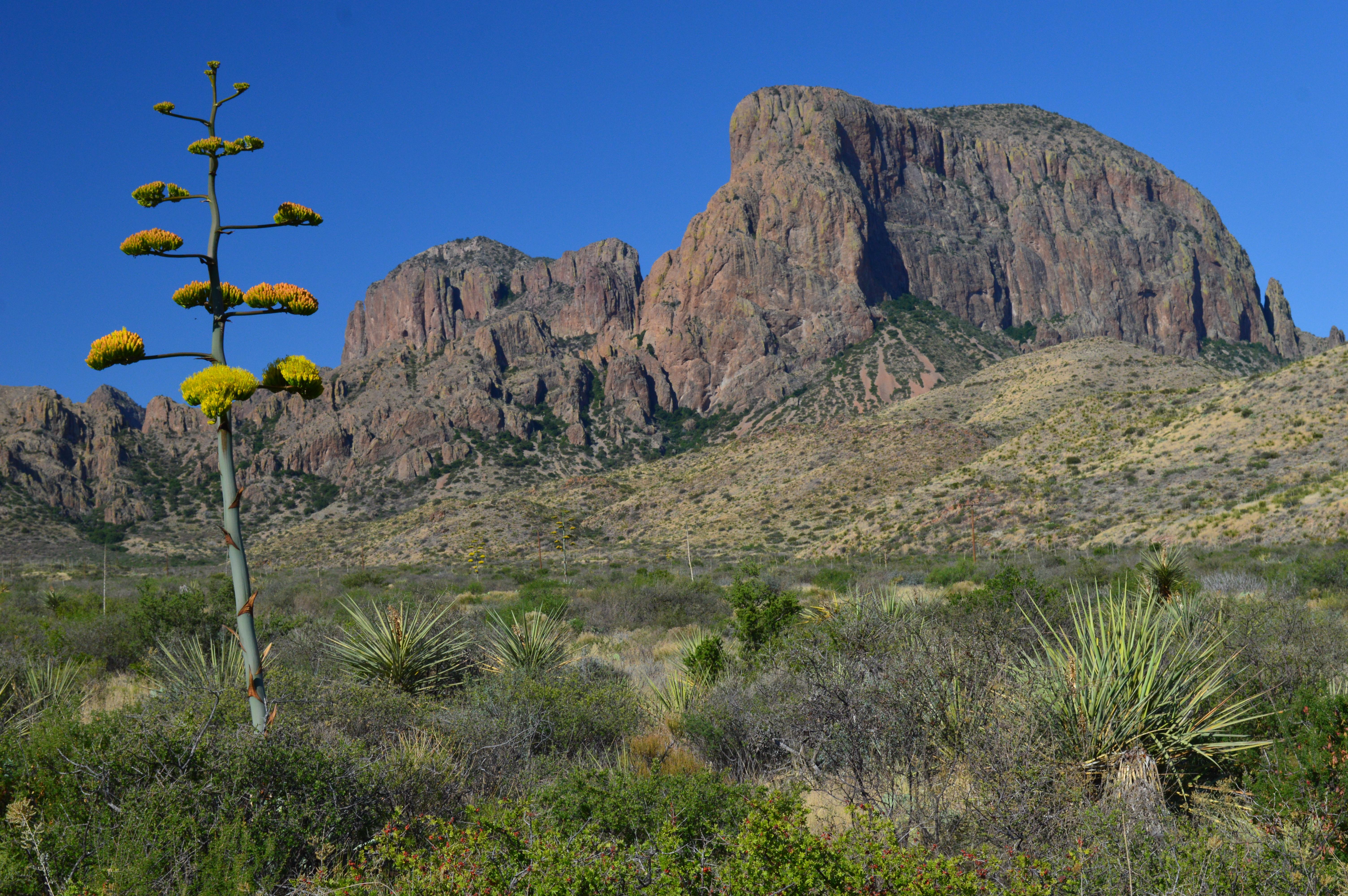
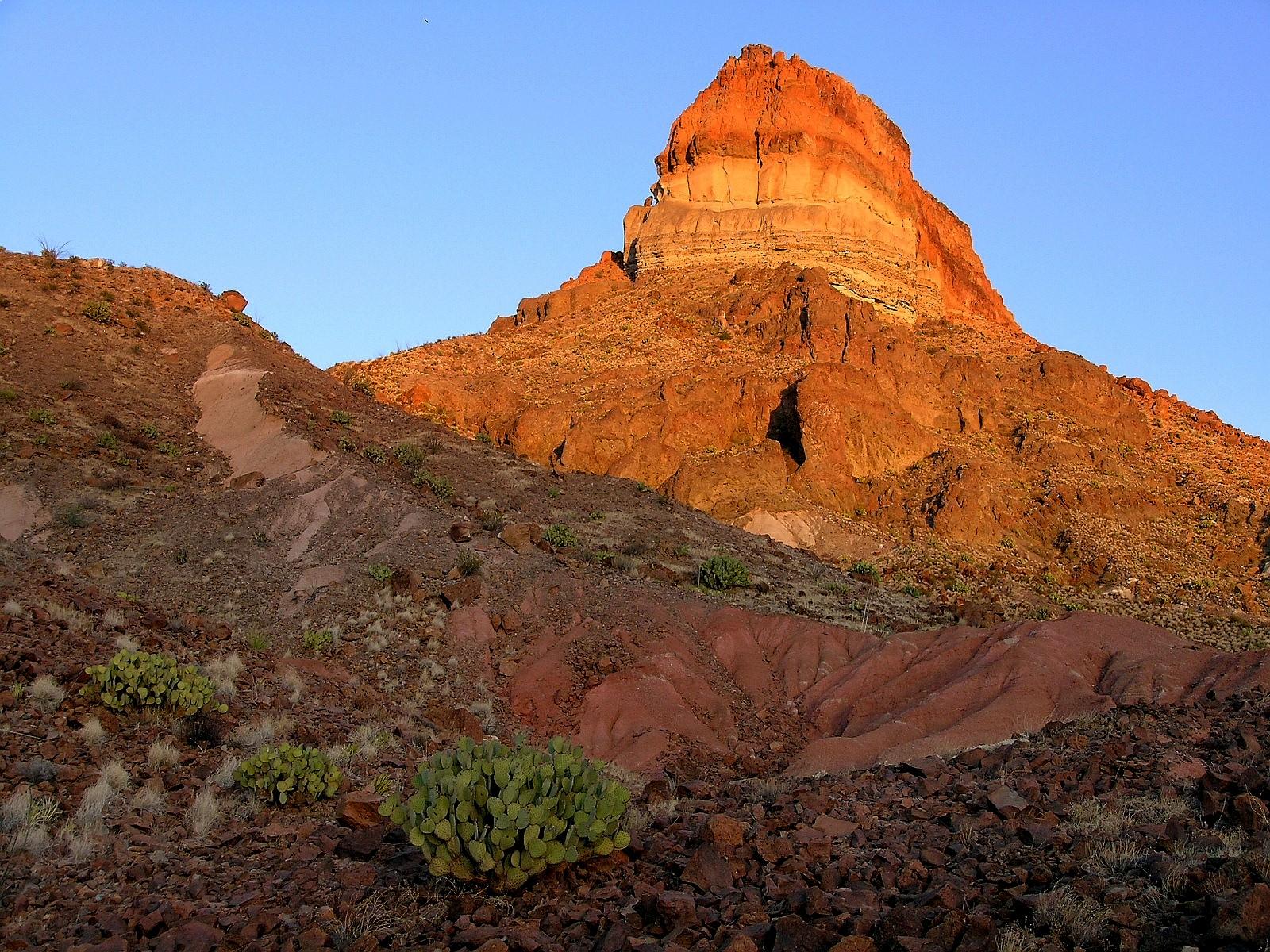
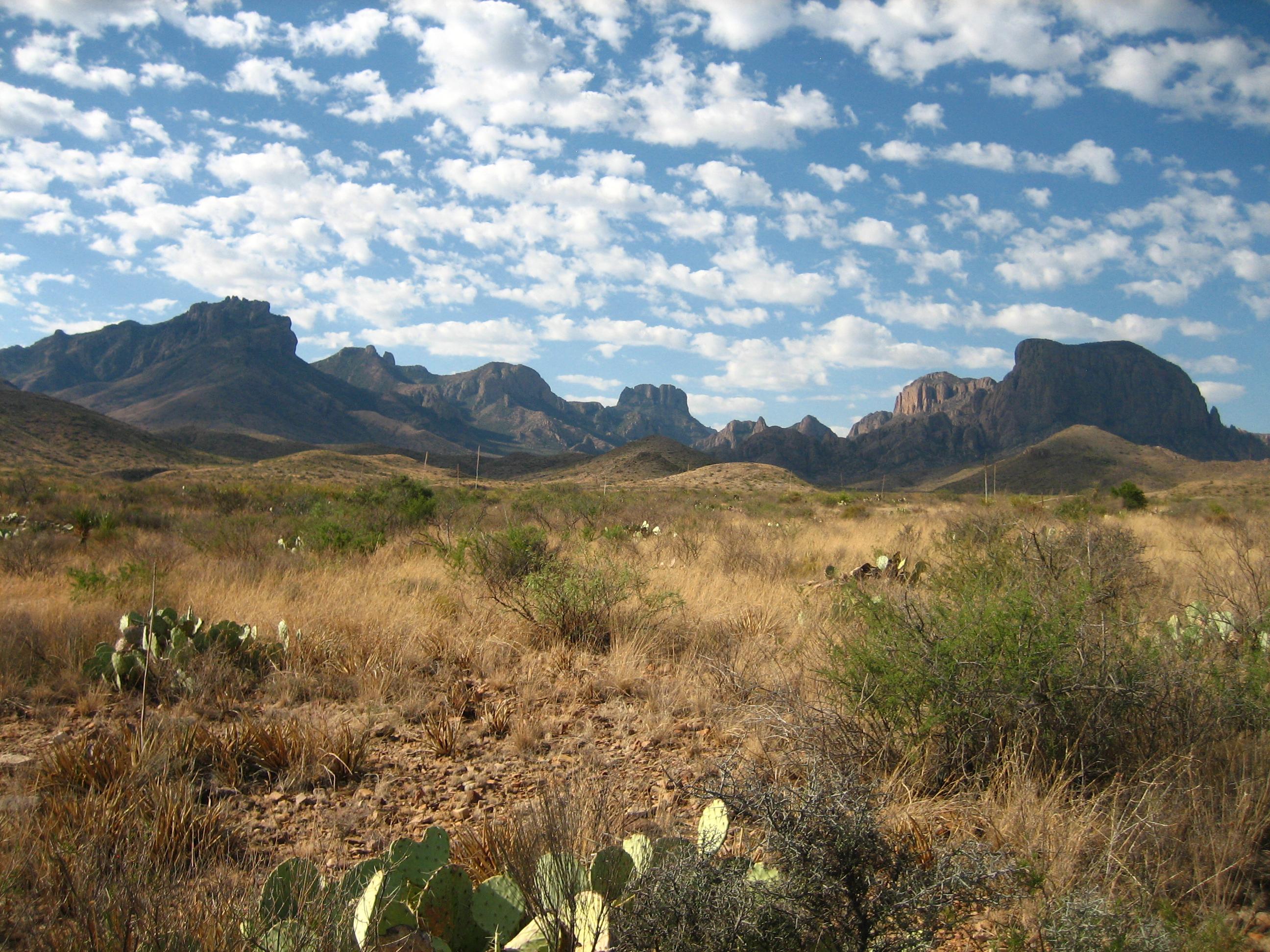
There is a place in Far West Texas where night skies are dark as coal and rivers carve temple-like canyons in ancient limestone. Here, at the end of the road, hundreds of bird species take refuge in a solitary mountain range surrounded by weather-beaten desert. Tenacious cactus bloom in sublime southwestern sun, and species diversity is the best in the country. This magical place is Big Bend...
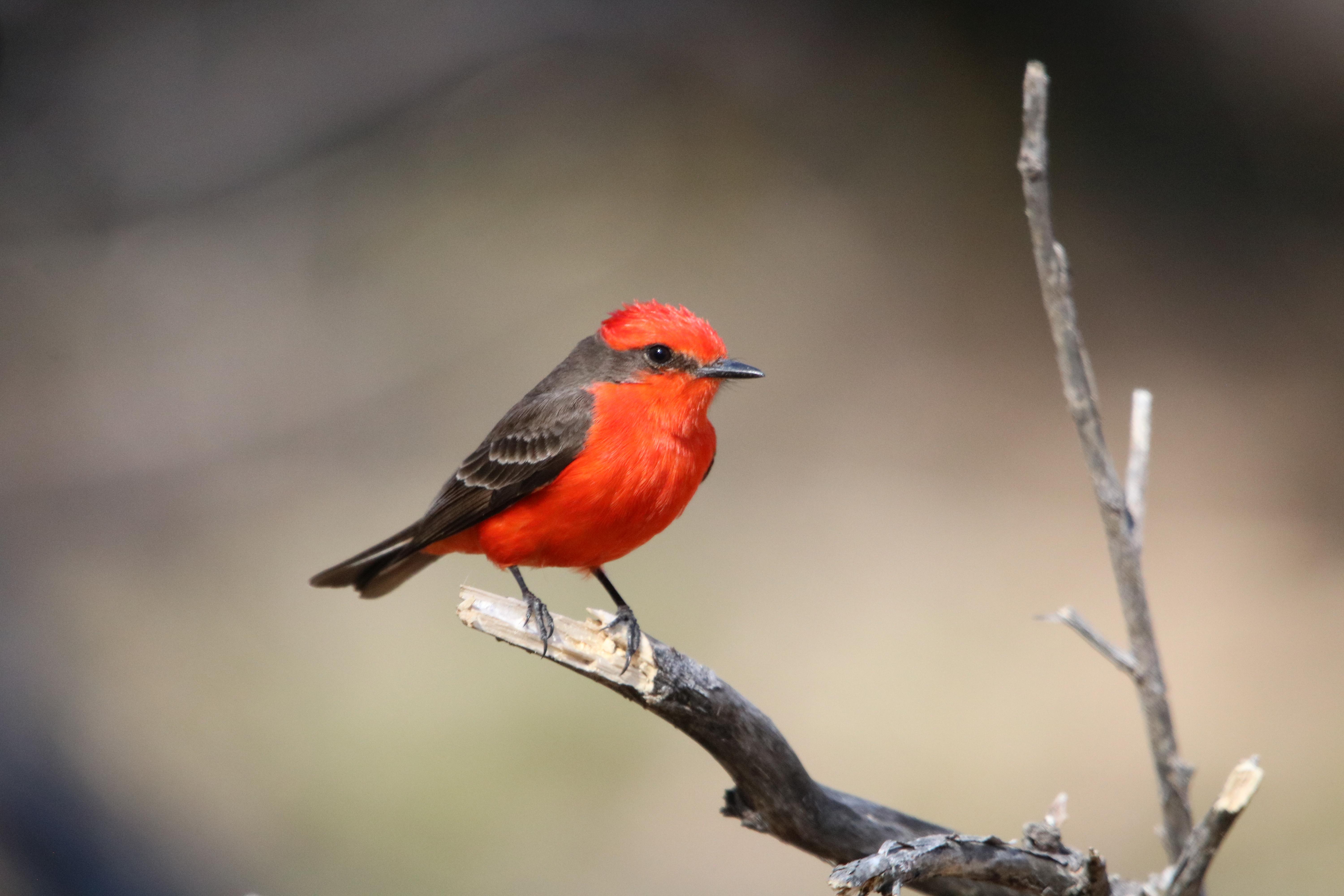
Big Bend National Park is a national park of the United States located in West Texas, bordering Mexico. The park has national significance as the largest protected area of Chihuahuan Desert topography and ecology in the United States, and was named after a large bend in the Rio Grande/Río Bravo. The park protects more than 1,200 species of plants, more than 450 species of birds, 56 species of reptiles, and 75 species of mammals.
Several highways lead to Big Bend National Park: TX 118 from Alpine to Study Butte or FM 170 from Presidio to Study Butte (then 26 miles east to park headquarters) or US 90 or US 385 to Marathon (then 70 miles south to park headquarters). Distances between towns and services are considerable. Be sure you have plenty of gas, food, water, and supplies for your trip. There are no electric vehicle charging stations in Big Bend National Park. The closest EV charging station is 130 miles away in Fort Stockton.
Big Bend is in the Chihuahuan Desert. Sunshine is abundant year-round. Spring (March) is typically warm and pleasant and is the park's busiest season. Summer heat begins in May. It is extremely HOT. Temperatures vary greatly between the desert which is usually well above 100 degrees F by late morning, and the Chisos Mountains, which can be 10-15 degrees cooler. May - August are the hottest months. Fall and Winter (Nov-Feb) are mild and pleasant, but some freezing does occur. Snow is rare.
Source: National Park Service
Admits one private, non-commercial vehicle (15 passenger capacity or less); valid for 7 days.
Admits one individual. Typically used for bicyclists and pedestrians; valid for 7 days.
Companies conducting business in the park are required to obtain a commercial use authorization.
Organized groups such as Scouts, clubs, etc.
Park facts, fees, and activities confirmed against the National Park Service registry.
National Park Service registryChecked 2026-08-04
- Backpacking Big Bend
Big Bend National Park is a backpacker's paradise. For those who come prepared, there are hundreds of miles of trails, and vast expanses to explore.
- Get a Big Bend Passport Stamp
Are you a "Passport to Your National Parks" cancellation collector? Big Bend National Park has a cancellation stamp to commemorate your visit in your passport book.
- Big Bend Junior Rangers
Big Bend National Park invites young visitors to become official Junior Rangers.
- View the Night Sky
Far away from most city lights, Big Bend National Park preserves pristine darkness. Take this chance to stargaze, and experience the half of the park that many of us miss - nighttime.
- List of Hiking Trails in Big Bend
Hiking trails
- See the Rio Grande
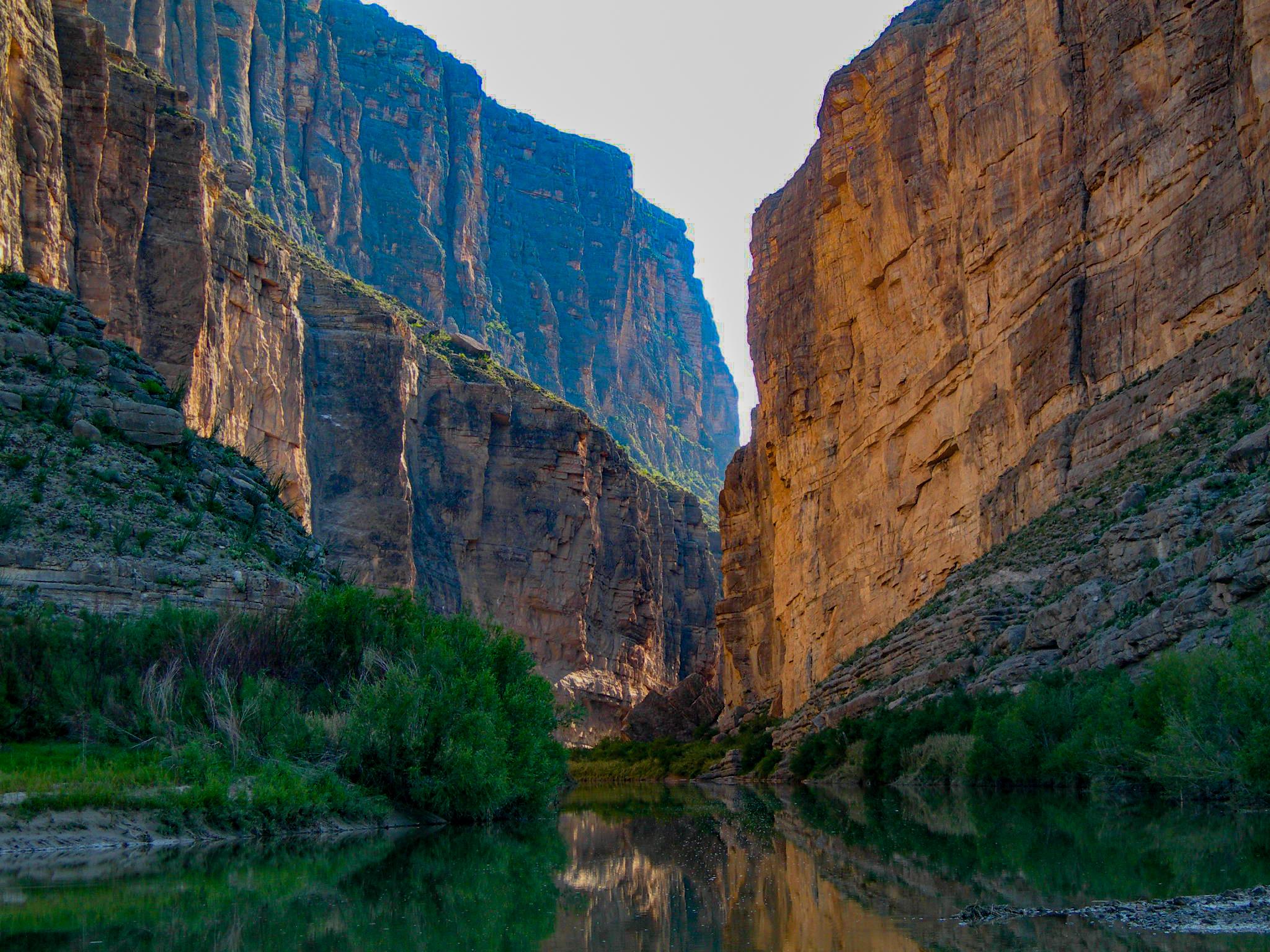
The Rio Grande is accessible from a number of places in Big Bend National Park, and a variety of hiking trails provide even further opportunities to get up close and personal with our watery border with Mexico.
- Hike the Lost Mine Trail
The Lost Mine Trail climbs to the side of Lost Mine Peak, offering spectacular views of Juniper Canyon and the Northeast Rim of the Chisos.
- Hike Into Santa Elena Canyon
The trail begins at the end of the Ross Maxwell Scenic Drive to Santa Elena Canyon, and is one of the prettiest short trails in the park.
Source: National Park Service
Where is Big Bend National Park?
Big Bend National Park is in Texas.
When was Big Bend National Park established?
Big Bend National Park was established in 1944.
How big is Big Bend National Park?
Big Bend National Park covers 1,252 square miles (801,163 acres).
How much does it cost to enter Big Bend National Park?
Big Bend National Park charges $30 per private vehicle. Other rates apply to motorcycles, cyclists and walk-ins, and some parks add their own reservation or surcharge on top.
Can you camp in Big Bend National Park?
Yes. The National Park Service runs 4 campgrounds in Big Bend National Park, with 196 campsites between them.
Does Big Bend National Park have a visitor center?
Yes. Big Bend National Park has 5 visitor centers: Castolon Visitor Center, Chisos Basin Visitor Center, Panther Junction Visitor Center, Persimmon Gap Visitor Center, Rio Grande Village Visitor Center.
Day trips start here
- Big Bend National Park · 0 mi
Drive Big Bend with Byway
Byway plans the scenic day around Big Bend — real places, real weather, every stop verified. Zero hallucinations. Google Maps for turns. Byway for soul.