Biscayne National Park

Official park boundary · National Park Service
Take the scenic way to Biscayne National Park.
Byway plans around your taste, verified places, real weather and opening hours — then opens every leg in Google Maps with one tap.
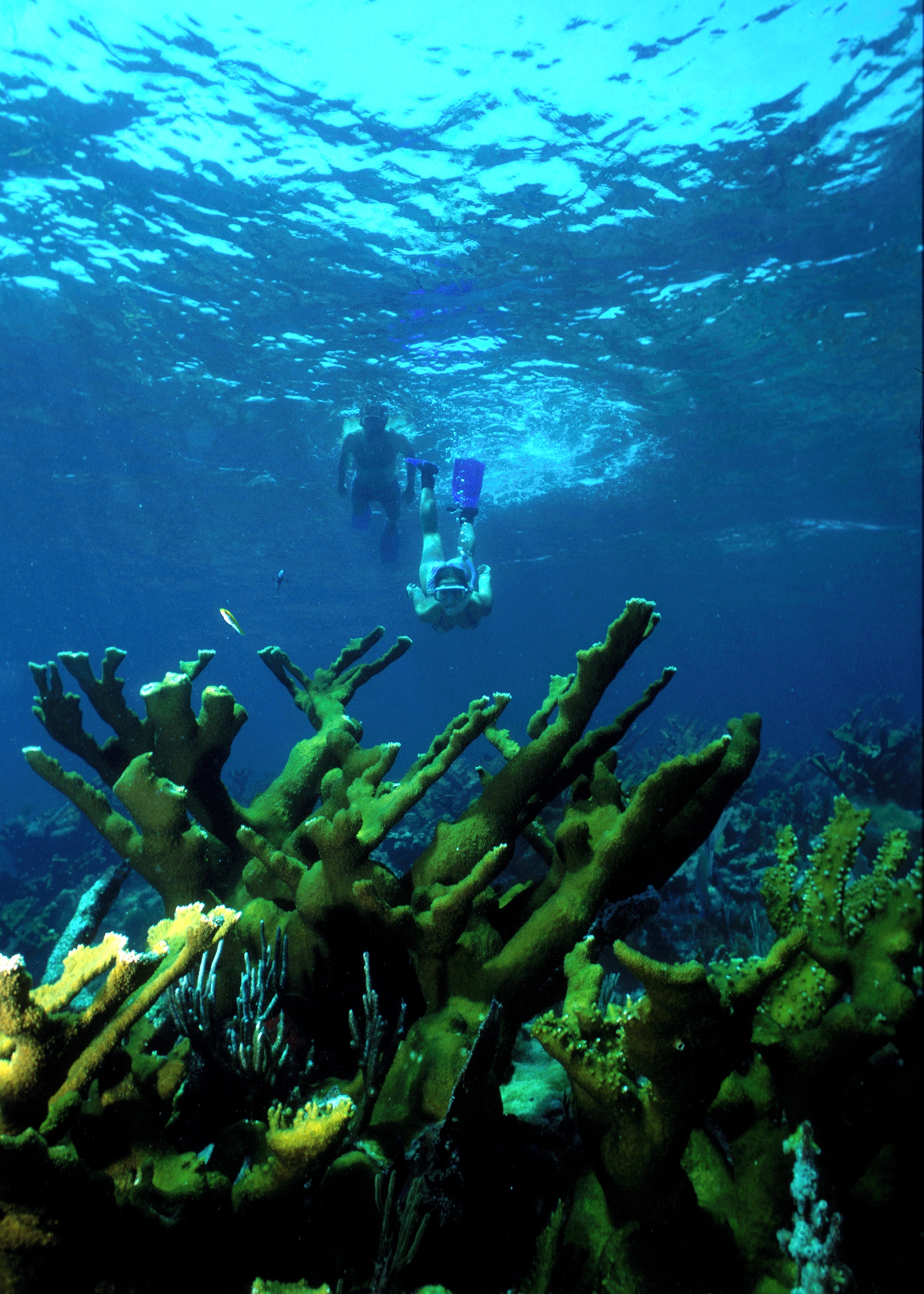
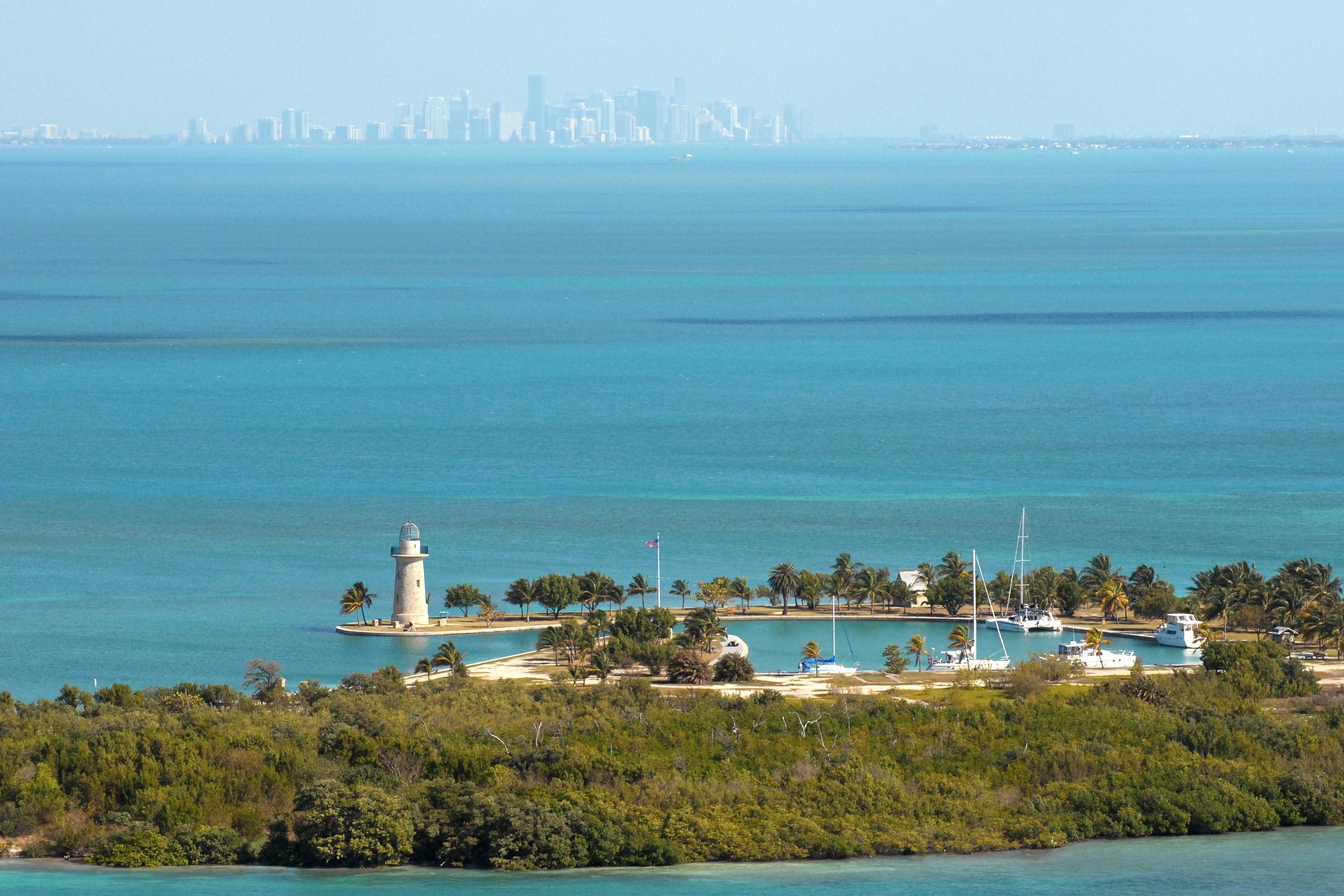
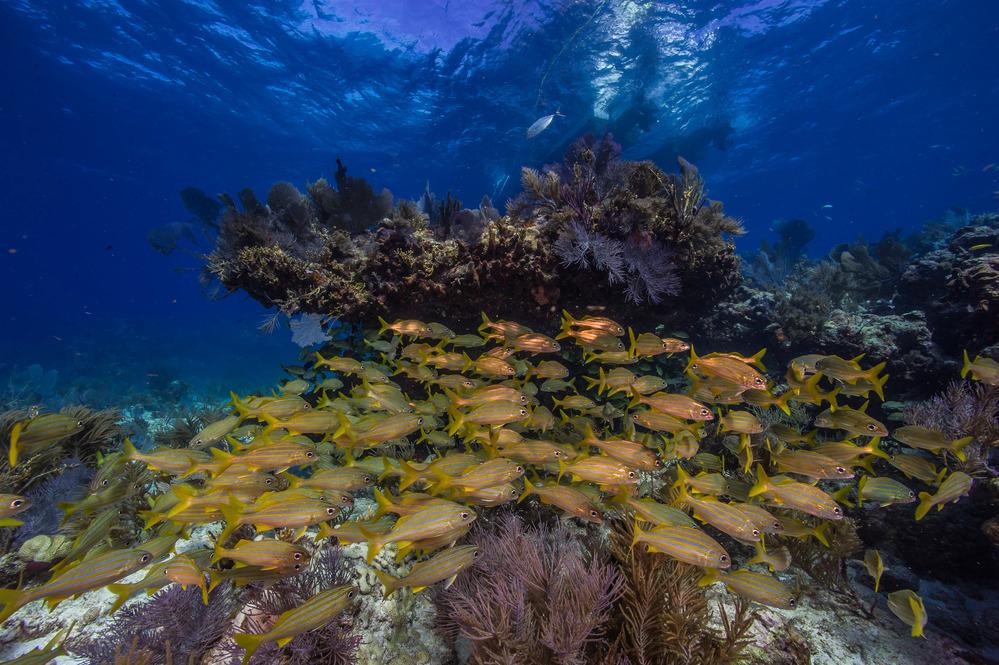
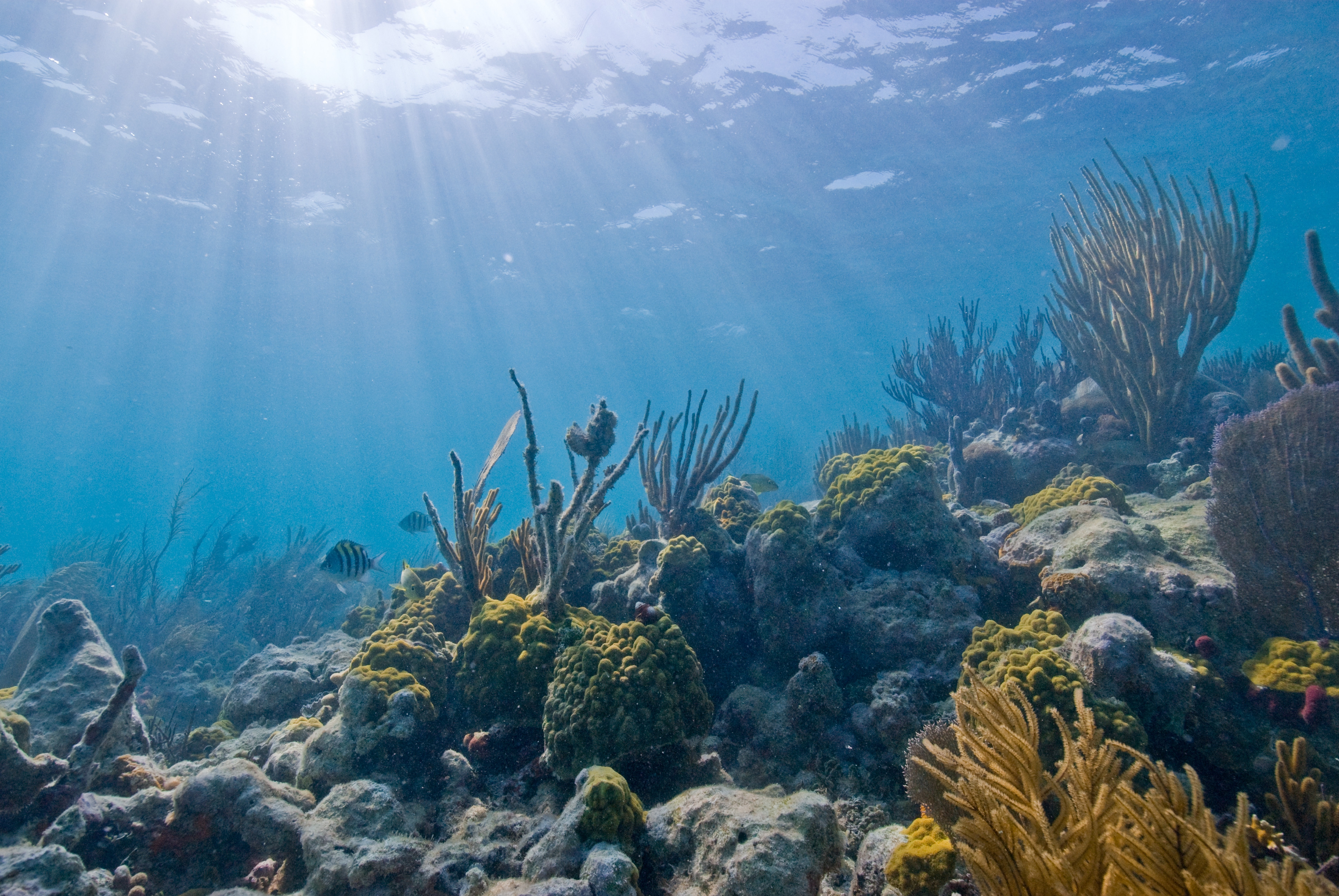
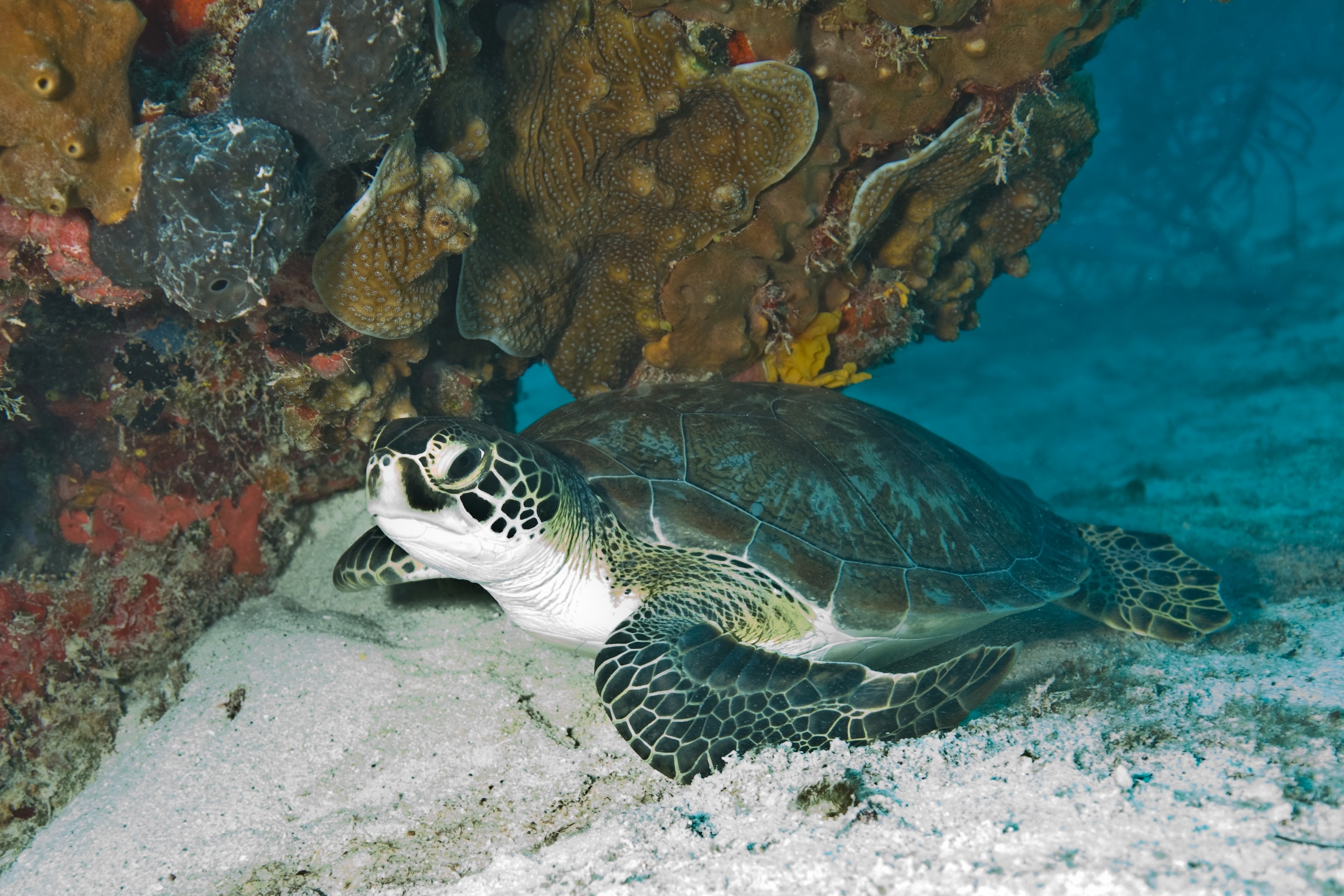
Within sight of Miami, yet worlds away, Biscayne protects a rare combination of aquamarine waters, emerald islands, and fish-bejeweled coral reefs. Evidence of 10,000 years of human history is here too; from prehistoric tribes to shipwrecks, and pineapple farmers to presidents. For many, the park is a boating, fishing, and diving destination, while others enjoy a warm breeze and peaceful scenery.
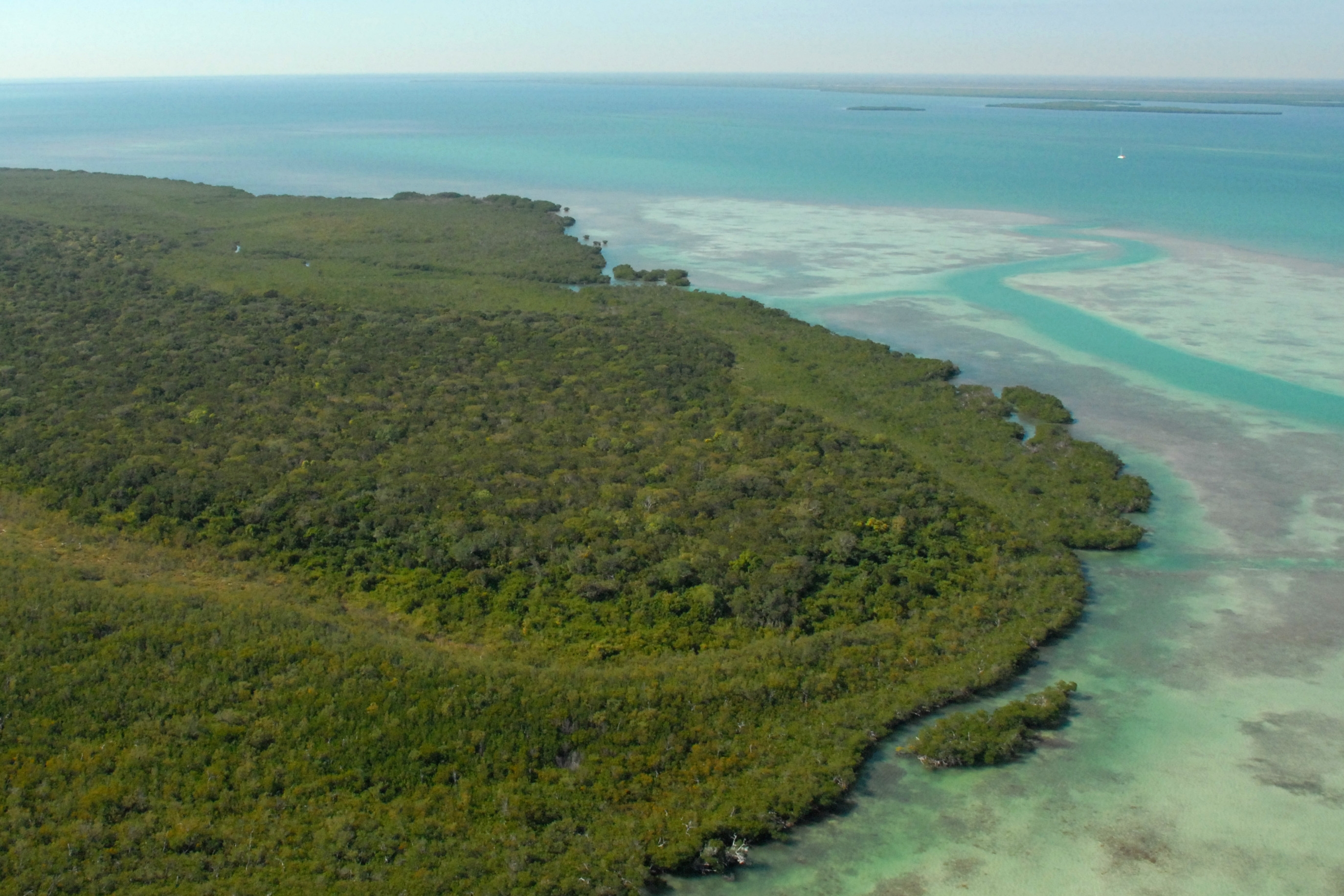
Biscayne National Park is a national park of the United States located south of Miami, Florida, in Miami-Dade County. The park preserves Biscayne Bay and its offshore barrier reefs. The shore of the bay is the location of an extensive mangrove forest. The park covers 172,971 acres, of which 9,075 acres (3,673 ha) are on land. It includes Elliott Key, the park's largest island and northernmost of the true Florida Keys, formed from fossilized coral reef. The islands farther north in the park are transitional islands of coral and sand. The offshore portion of the park includes the northernmost region of the Florida Reef, one of the largest coral reefs in the world.
The Dante Fascell Visitor Center may be reached from the Florida Turnpike by taking Exit 6 (Speedway Boulevard). Turn left from exit ramp and continue south to SW 328th Street (North Canal Drive). Turn left on 328th Street and continue for four miles to the end of the road. The park entrance is on the left just before the entrance to Homestead Bayfront Marina.
The park is situated in a subtropical climate, which ensures sunshine year-round. Winters are normally dry and mild, with occasional fronts bringing wind and little rain. Summer brings hot and humid weather with scattered thunderstorms in the afternoons. The average temperature in January is 68 degrees Fahrenheit and 82 in July. The average rainfall for the area is 2.17 inches in January and 3.95 inches in July. June to November is hurricane season.
Source: National Park Service
Park facts, fees, and activities confirmed against the National Park Service registry.
National Park Service registryChecked 2026-08-04
- Fishing in Biscayne National Park
Biscayne National Park preserves unique marine habitat and nursery environments that sustain diverse native fishery resources and support world-class fishing for spiny lobster, snapper, grouper, tarpon and bonefish.
- Birding at Boca Chita
Along with incredible array of marine life, Biscayne National Park is also home to significant populations of birds including protected species. Natural habitats for migratory stopover, feeding, and nesting make the park a wonderful place to watch and enjoy birds particularly in the winter months.
- Birding at Elliott Key
Along with incredible array of marine life, Biscayne National Park is also home to significant populations of birds including protected species. Natural habitats for migratory stopover, feeding, and nesting make the park a wonderful place to watch and enjoy birds particularly in the winter months.
- Birding at Convoy Point
Along with incredible array of marine life, Biscayne National Park is also home to significant populations of birds including protected species. Natural habitats for migratory stopover, feeding, and nesting make the park a wonderful place to watch and enjoy birds particularly in the winter months.
- Become a Biscayne Junior Ranger
Join Diego the dolphin, Peter the panther and Aleesha the alligator in exploring three South Florida parks (Big Cypress National Preserve, and Biscayne and Everglades National Park). Pick up a booklet at the park visitor center and complete the required activities to earn a badge.
Source: National Park Service
Where is Biscayne National Park?
Biscayne National Park is in Florida.
When was Biscayne National Park established?
Biscayne National Park was established in 1980.
How big is Biscayne National Park?
Biscayne National Park covers 270 square miles (172,971 acres).
Can you camp in Biscayne National Park?
Yes. The National Park Service runs 2 campgrounds in Biscayne National Park, with 80 campsites between them.
Does Biscayne National Park have a visitor center?
Yes. Biscayne National Park has 1 visitor center: Dante Fascell Visitor Center.
Day trips start here
- Biscayne National Park · 12 mi
- Miami · 16 mi
- Miami Beach/South Beach · 20 mi
Drive Biscayne with Byway
Byway plans the scenic day around Biscayne — real places, real weather, every stop verified. Zero hallucinations. Google Maps for turns. Byway for soul.