Wind Cave National Park

Official park boundary · National Park Service
Take the scenic way to Wind Cave National Park.
Byway plans around your taste, verified places, real weather and opening hours — then opens every leg in Google Maps with one tap.
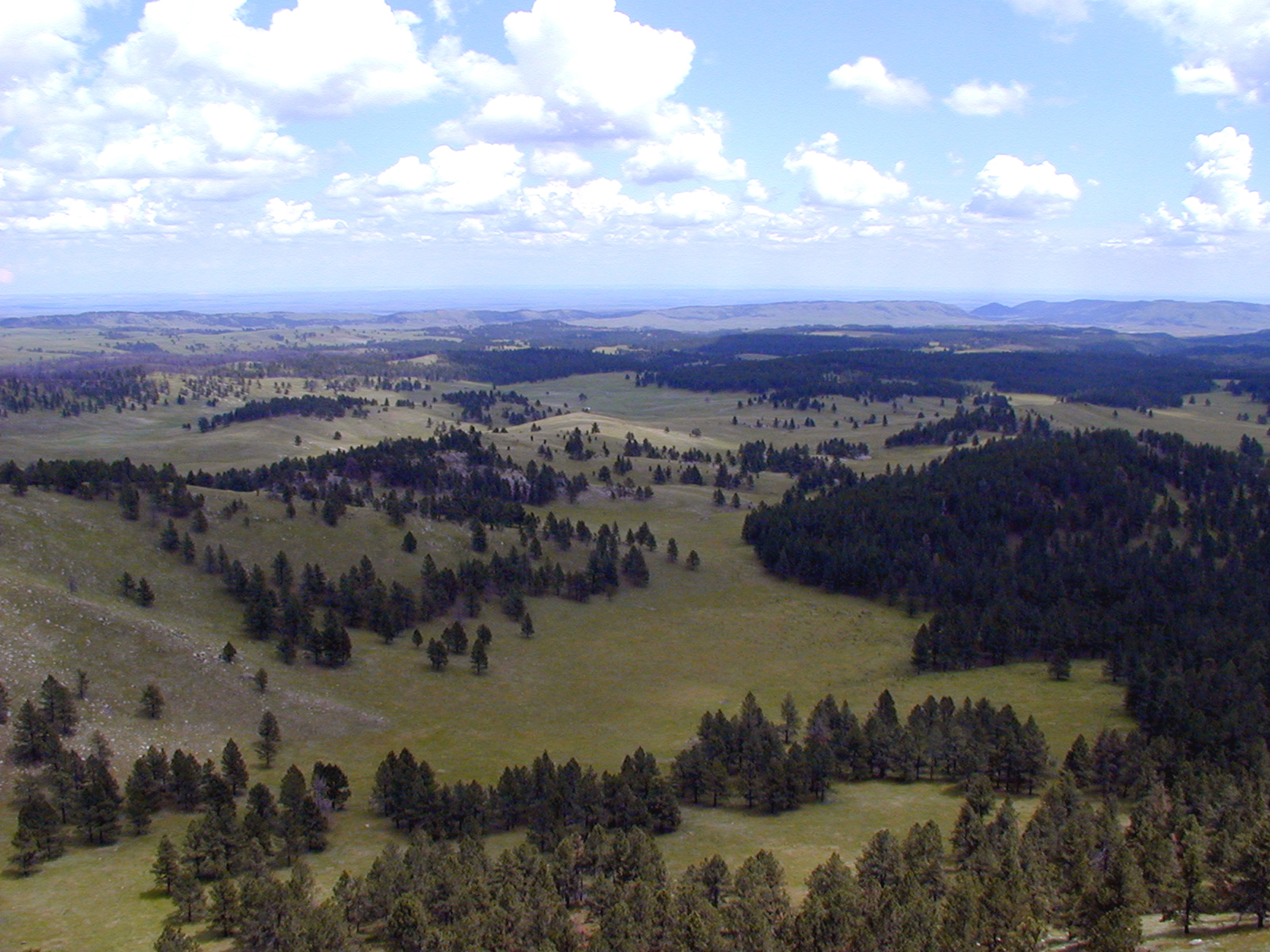
Wind Cave National Park protects two very different worlds - one deep within the earth, the other a sunlit world of many resources. Bison, elk, and other wildlife roam the rolling prairie grasslands and forested hillsides of one of America's oldest national parks. Below the remnant island of intact prairie sits Wind Cave, one of the longest and most complex caves in the world.
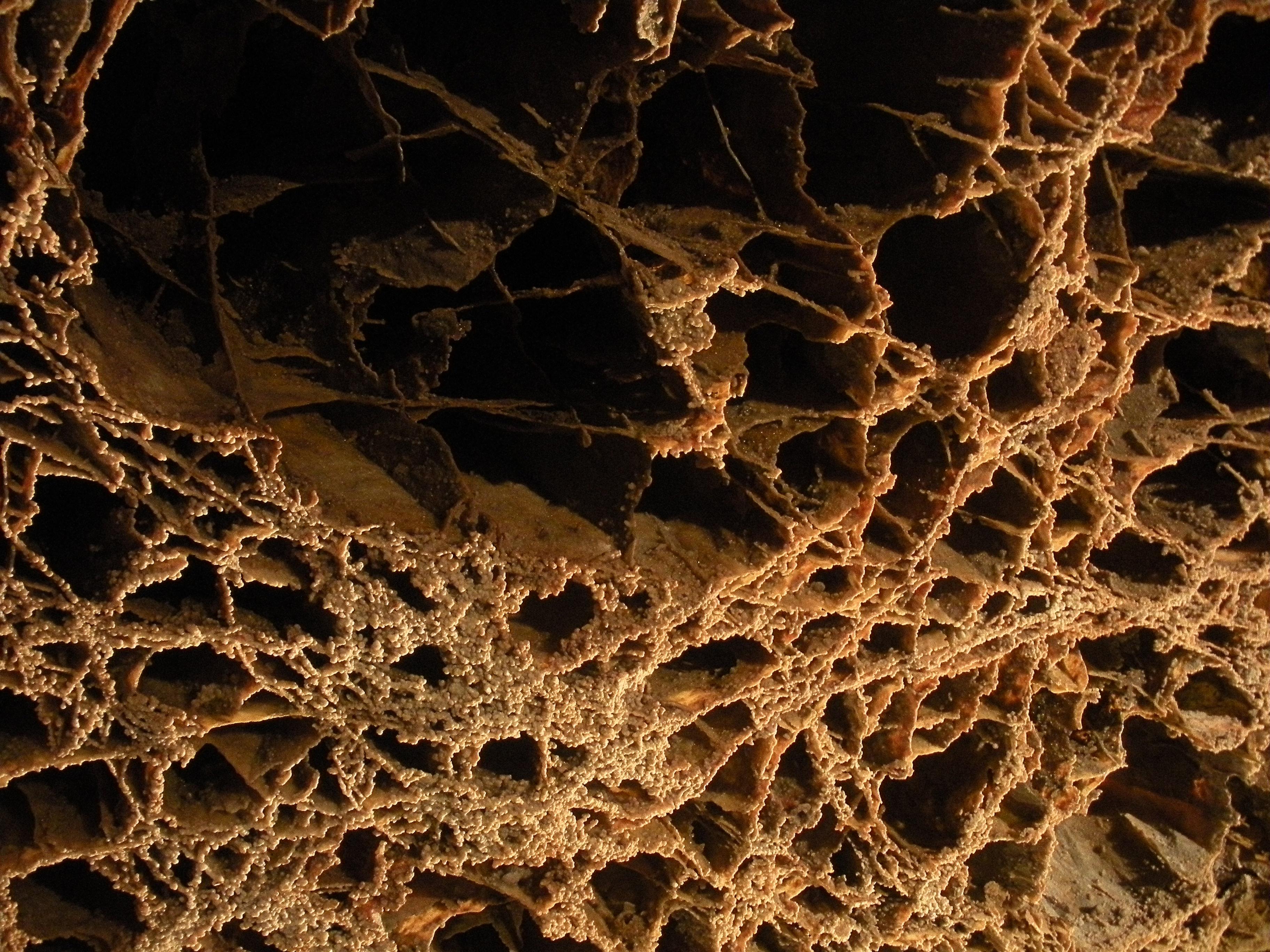
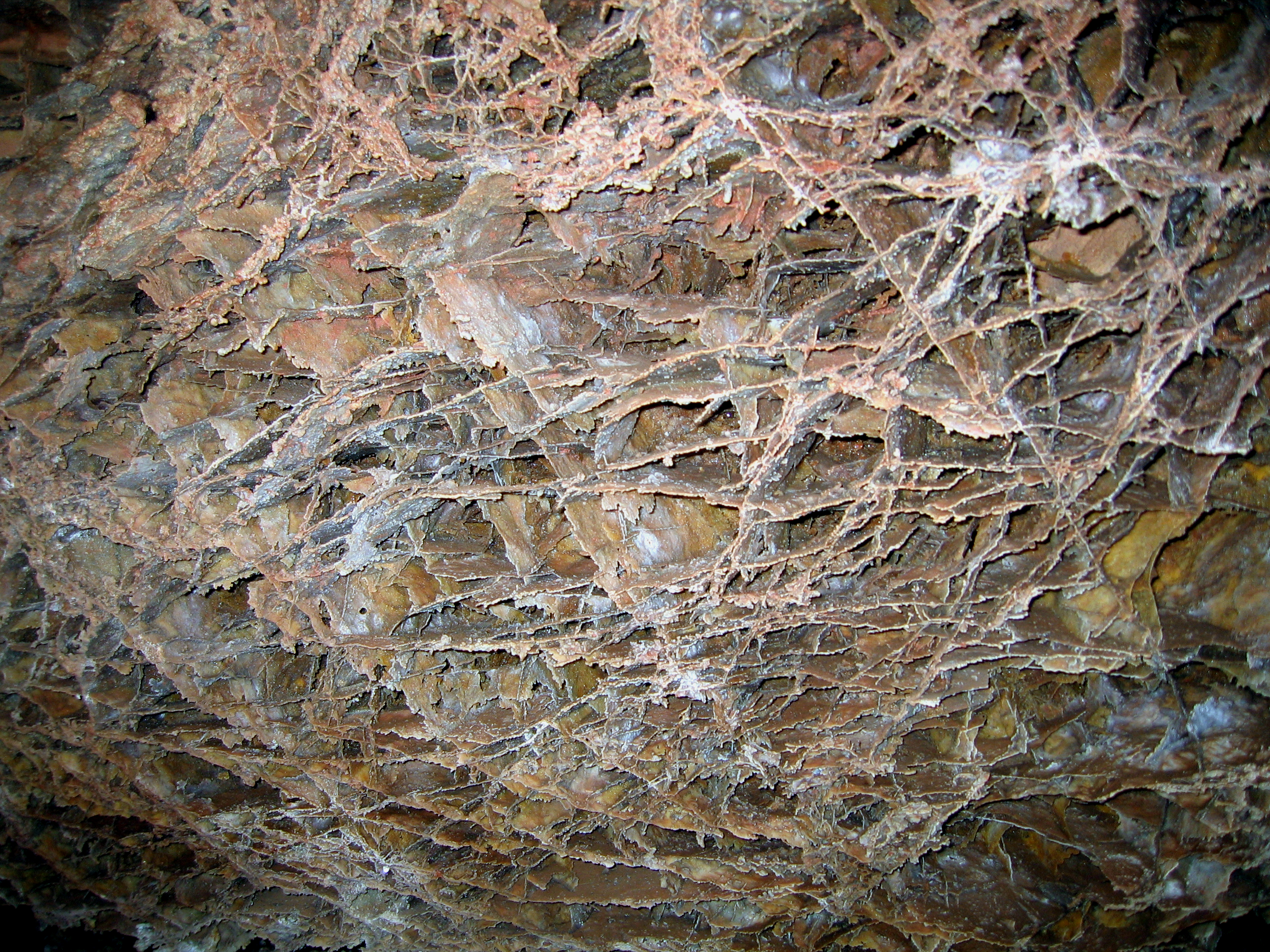
Wind Cave National Park is a national park of the United States located 10 miles (16 km) north of the town of Hot Springs in western South Dakota. Established on January 3, 1903 by President Theodore Roosevelt, it was the sixth national park in the U.S. and the first cave to be designated a national park anywhere in the world. The cave has calcite formations known as boxwork, as well as frostwork. Approximately 95 percent of the world's discovered boxwork formations are found in Wind Cave.
Wind Cave National Park is located in South Dakota about 11 miles north of Hot Springs, or about 22 miles south of Custer, on US Highway 385. The park Visitor Center, where all cave tours begin, is approximately 1/2 mile west of the highway.
Spring: Highs range from 50-70°F with highly variable weather. Spring is the park's wettest season. Summer: Hot and generally dry with daytime temperatures regularly exceeding 80°F (27°C). Strong thunderstorms are common and can produce large hail and lightning. Fall: Generally dry with warm days and cool nights. Highs 50-60°F. Lows below freezing are common. Winter: Highs are in the high 30s with lows around 10°F. Snowfall averages 30 inches annually, periodically closing park roads.
Source: National Park Service
Park facts, fees, and activities confirmed against the National Park Service registry.
National Park Service registryChecked 2026-08-04
- Wind Cave Geology Driving Tour
The geology driving tour is a great way to see the park while learning about the rich geologic history of the Black Hills. On this 20 mile long tour, you will travel back in time and view Wind Cave's rock record to get a glimpse into its past.
- Picnic at Wind Cave
Looking for a quiet place to enjoy a picnic? Whether you're looking for a good picnic spot or just a place to eat lunch while waiting for a tour, the picnic area is open year-round from sunrise to sunset.
- Watch Wind Cave Wildlife
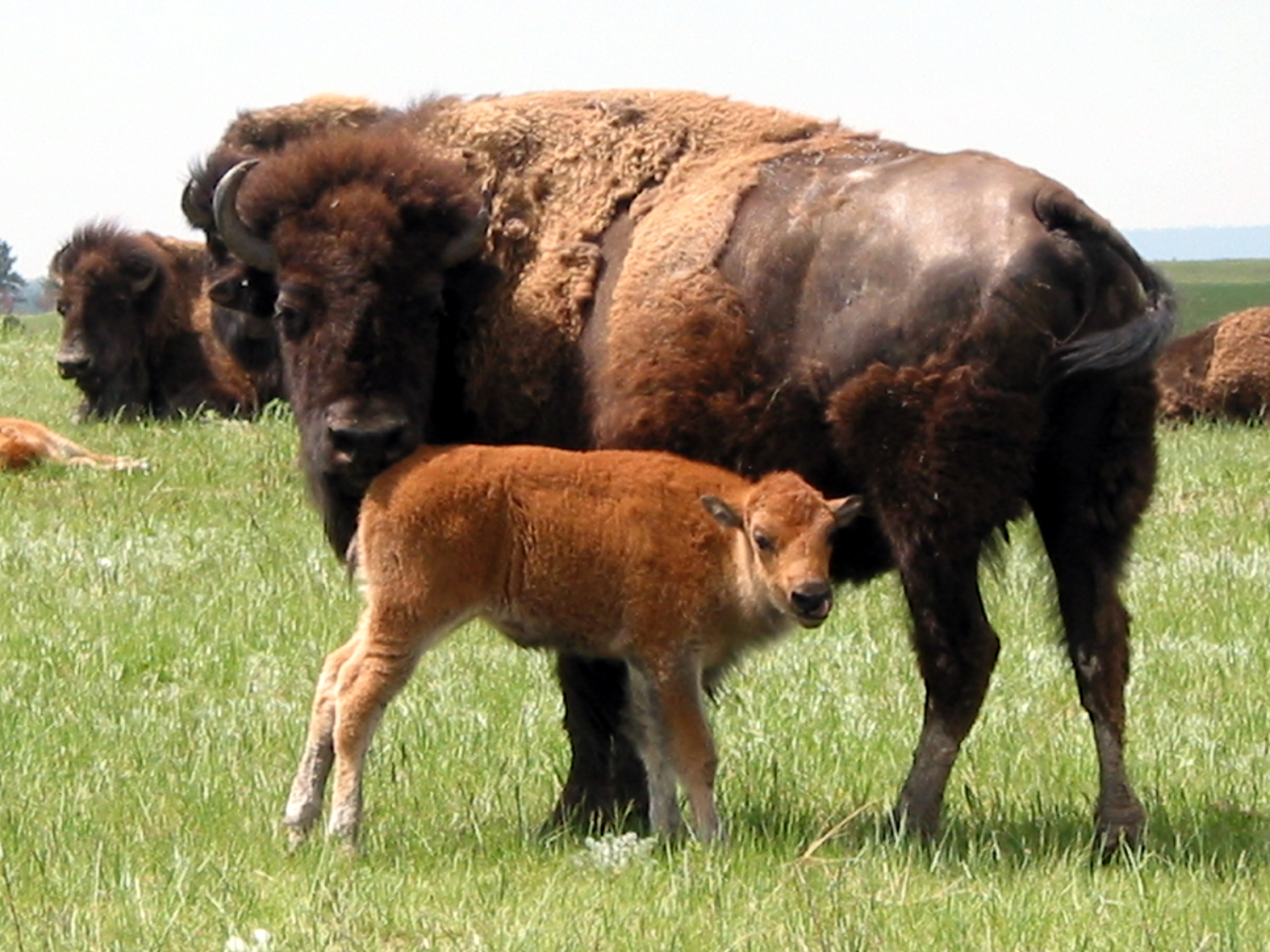
View some of North America's most iconic wildlife while enjoying Black Hills scenery. Wind Cave's combination of prairie and forest ecosystems allows visitors to view a number of animals in their natural environment.
- Visit Wind Cave's Natural Entrance
You can still see the largest natural opening into Wind Cave without going on a tour. This small hole is one of the only known natural entrances into the cave. Lakota oral tradition speaks of how the first bison and humans emerged from this deeply spiritual place.
- Take a Cave Tour
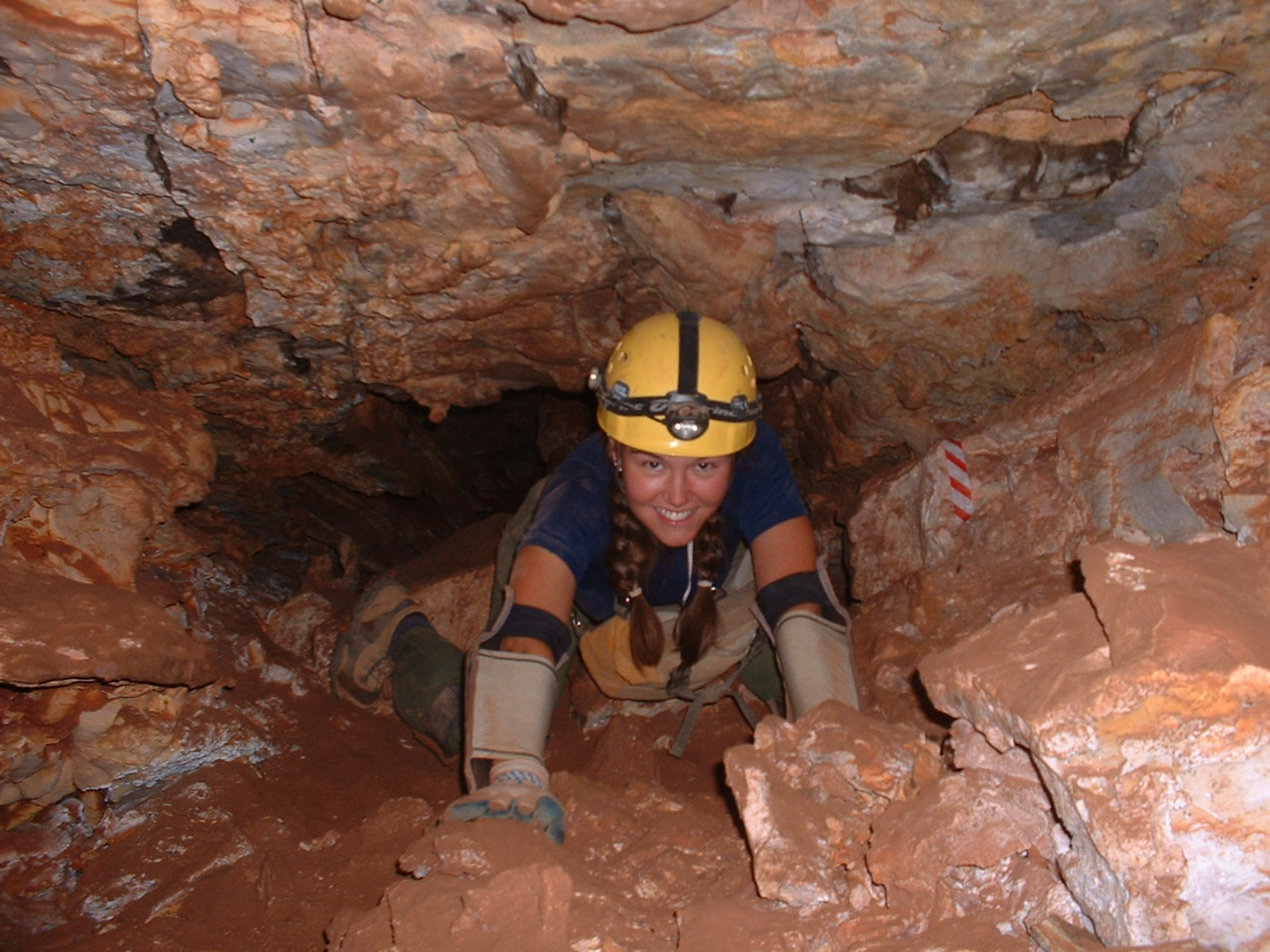
Visit one of the world's longest and most complex caves.
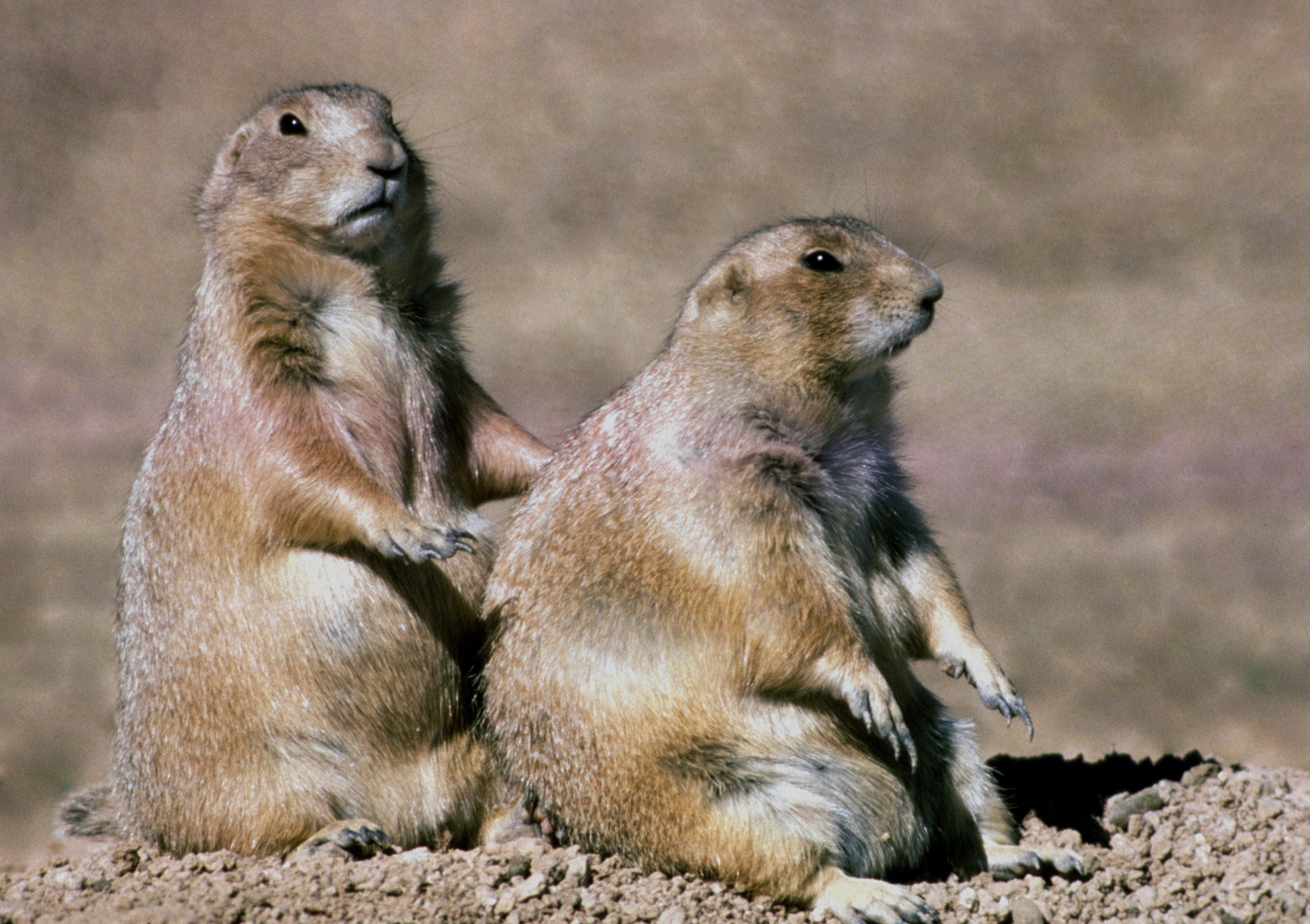
- See Prairie Dogs in Their Prairie Dog Towns
Information about the Prairie Dog of Wind Cave National Park.
- Pet Friendly Hikes
If you are traveling with a furry friend, Wind Cave has two pet friendly trails. Both are close to the visitor center and about one mile in length.
- Listen For Bugling Elk
In September and October, male elk can be heard as they bugle to challenge each other and attract females. This haunting sound is a sure sign that fall has arrived in the West. During this time of the year, visitors may be able to join a ranger to listen for these charismatic animals.
Source: National Park Service
Where is Wind Cave National Park?
Wind Cave National Park is in South Dakota.
When was Wind Cave National Park established?
Wind Cave National Park was established in 1903.
How big is Wind Cave National Park?
Wind Cave National Park covers 53 square miles (33,971 acres).
Can you camp in Wind Cave National Park?
Yes. The National Park Service runs 1 campground in Wind Cave National Park, with 64 campsites between them.
Does Wind Cave National Park have a visitor center?
Yes. Wind Cave National Park has 1 visitor center: Wind Cave Visitor Center.
Day trips start here
- Wind Cave National Park · 2 mi
Drive Wind Cave with Byway
Byway plans the scenic day around Wind Cave — real places, real weather, every stop verified. Zero hallucinations. Google Maps for turns. Byway for soul.