Crater Lake National Park

Official park boundary · National Park Service
Take the scenic way to Crater Lake National Park.
Byway plans around your taste, verified places, real weather and opening hours — then opens every leg in Google Maps with one tap.
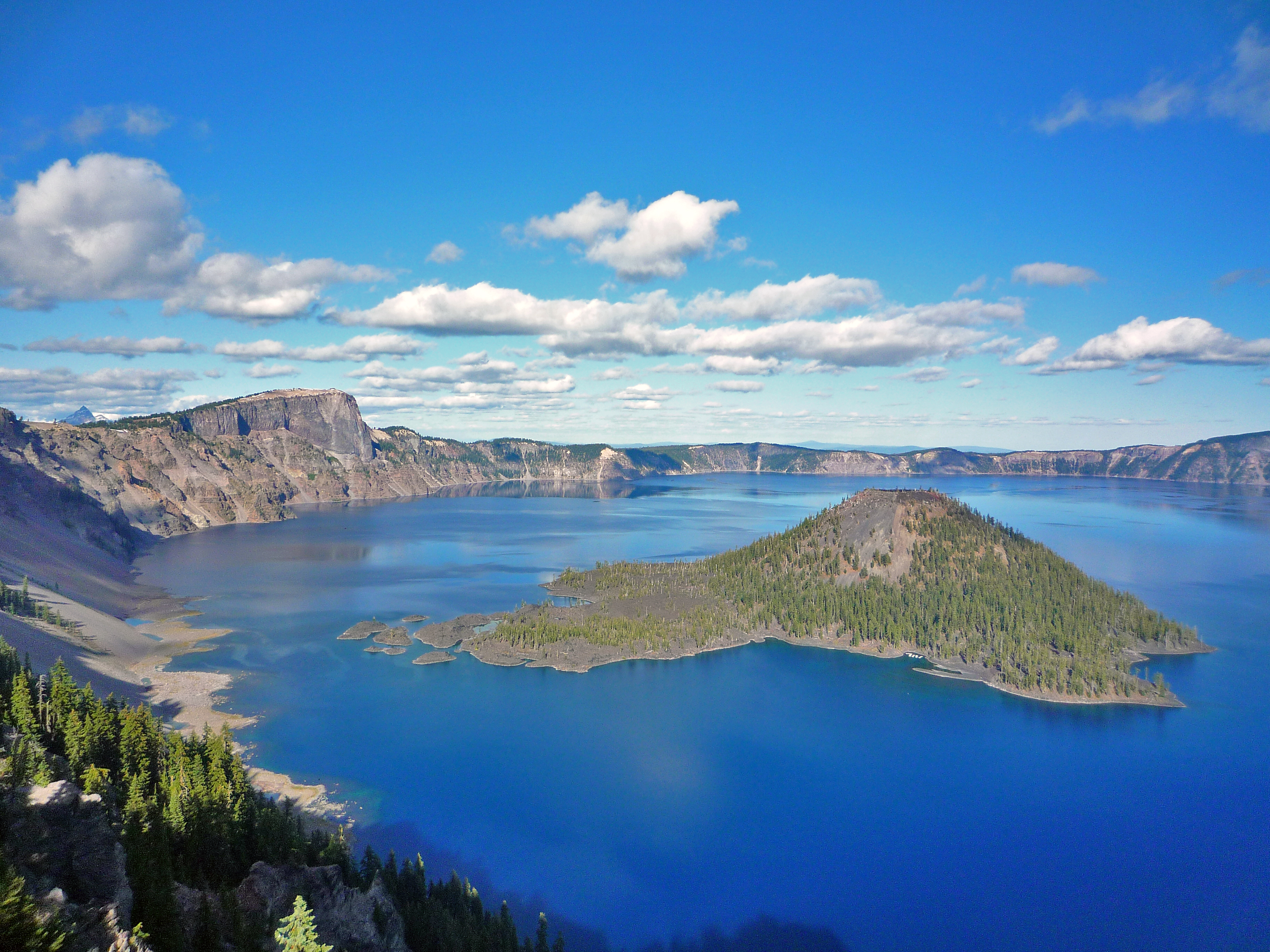
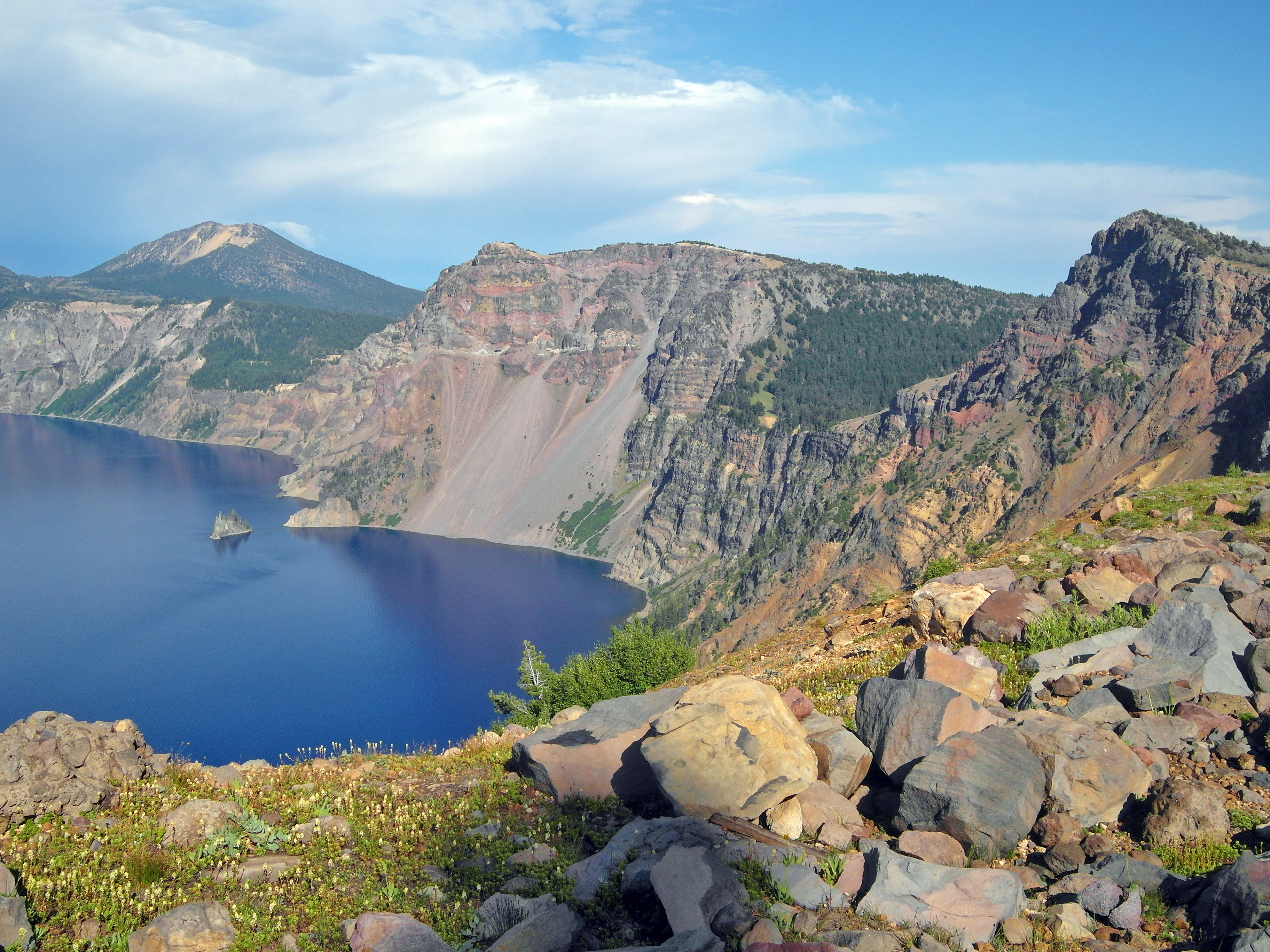
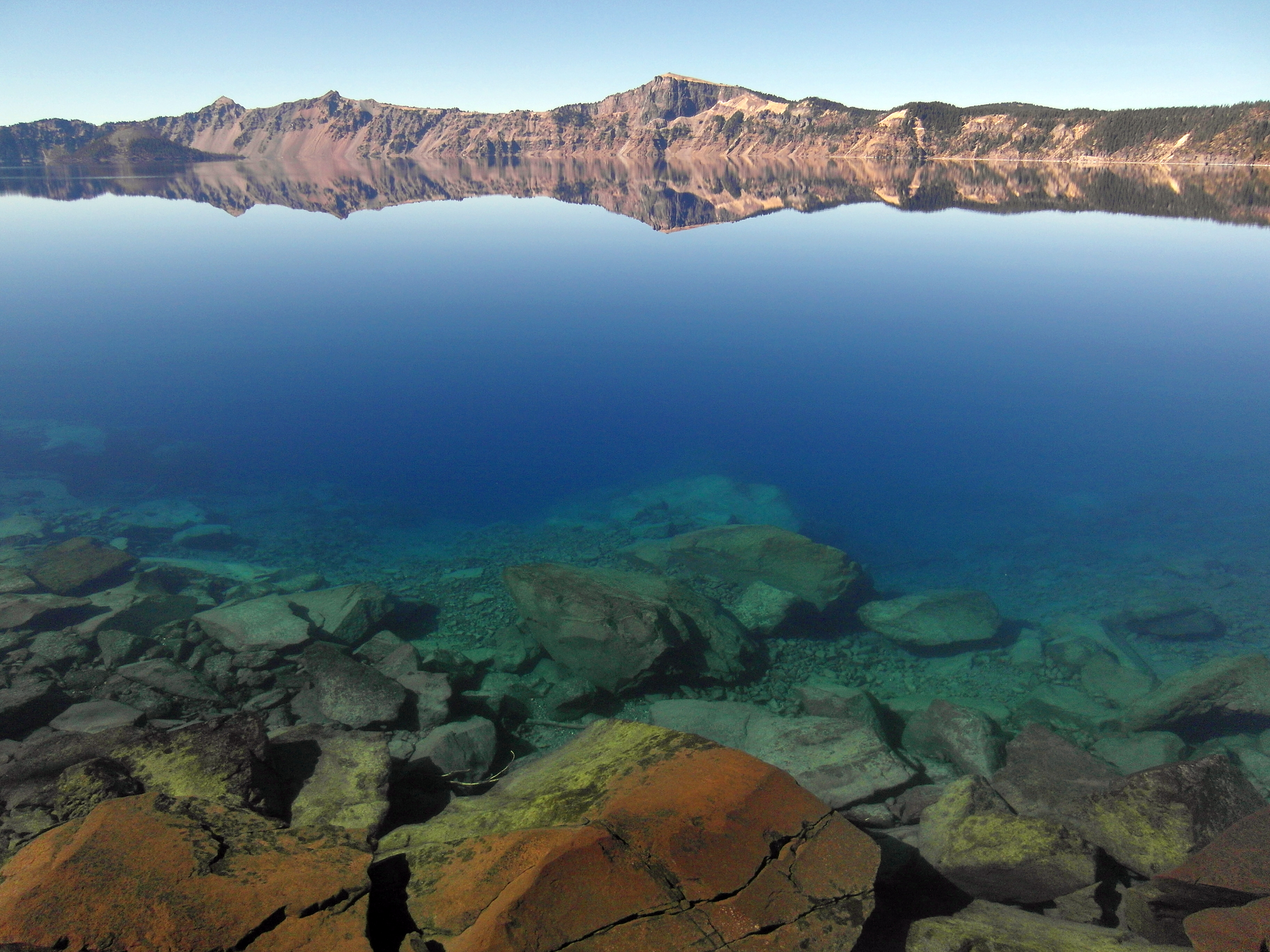
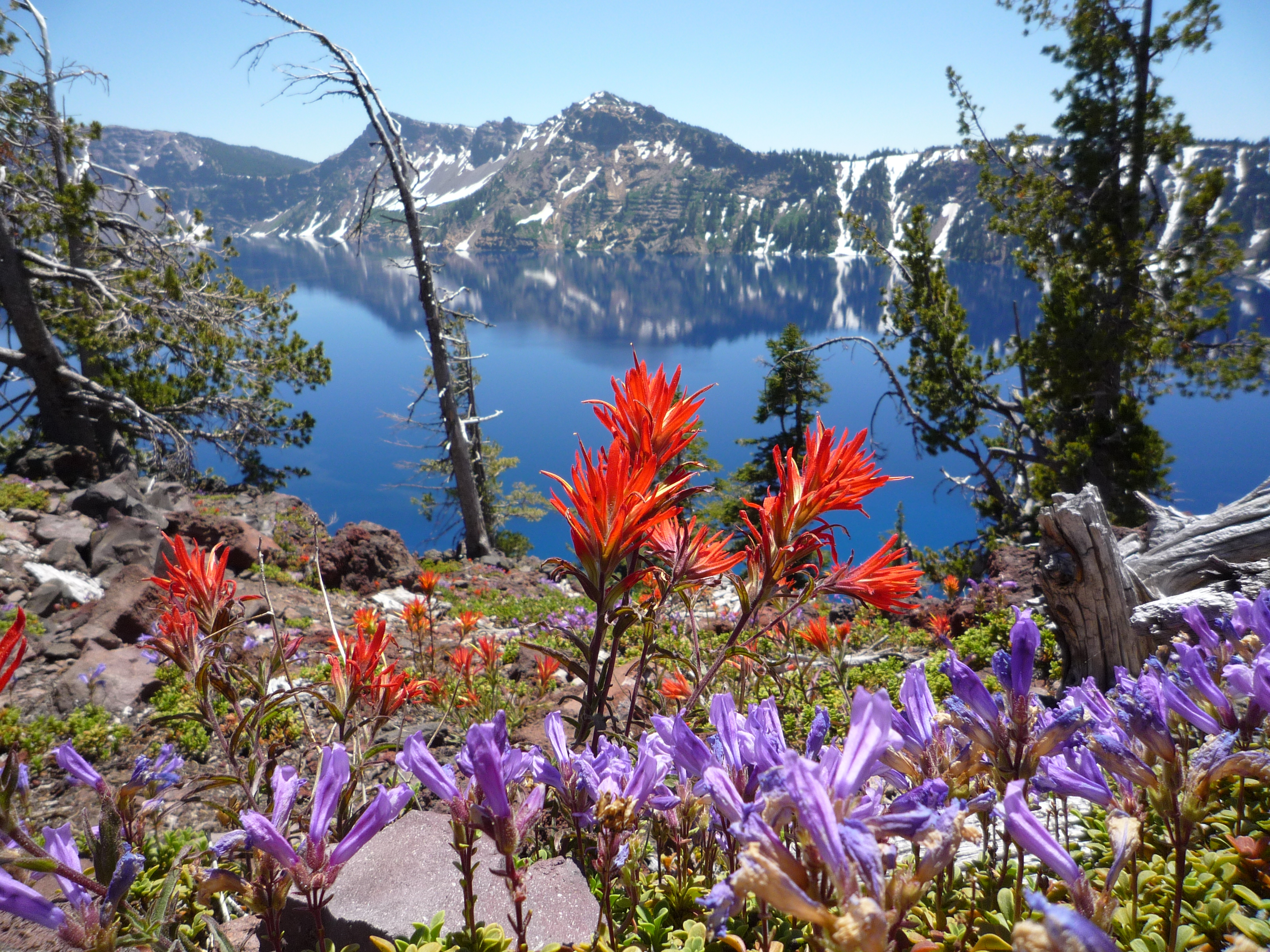
Crater Lake inspires awe. Native Americans witnessed its formation 7,700 years ago, when a violent eruption triggered the collapse of a tall peak. Scientists marvel at its purity—fed by rain and snow, it’s the deepest lake in the USA and one of the most pristine on Earth. Artists, photographers, and sightseers gaze in wonder at its blue water and stunning setting atop the Cascade Mountain Range.
Crater Lake National Park is a national park of the United States located in southern Oregon. Established in 1902, Crater Lake is the fifth-oldest national park in the United States and the only national park in Oregon. The park protects the flanks and caldera of Crater Lake, a remnant of Mount Mazama, a destroyed volcano, and the surrounding hills and forests.
From the west (Medford) - Take Hwy 62 to the West Entrance. Open year-round. From the south (Klamath Falls) - Take Hwy 97 north to Hwy 62 to the South Entrance. Open year-round. The North Entrance is on Hwy 138 and is accessed from Interstate 5 east at Roseburg or Hwy 97 south from Bend and Chemult. Winter travelers from Roseburg take Route 138 east to Route 230 south to Route 62 east to the park's west entrance. Travelers from Bend take Route 97 south to Route 62 to the park's south entrance.
July, August, and September are your best bets for warm, dry weather. In May, June, and October, sunny days alternate with periods of rain and snow. Winters at Crater Lake are long and snowy. Storms from the Pacific Ocean dump an annual average of 41 feet (13.5 meters) of snow at park headquarters. When it's raining or snowing, the lake is usually hidden by clouds. Crater Lake is completely invisible about 50% of the time in the winter!
Source: National Park Service
This is the summer entrance fee and is charged from mid-May through the end of October. Admits one private, non-commercial vehicle (15-passenger capacity or less) and all occupants. Good for 7 days.
This is the winter entrance fee. Admits one private, non-commercial vehicle (15-passenger capacity or less) and all occupants. Good for 7 days.
Valid for 7 days. Admits up to 2 private, non-commercial motorcycles with up to 4 total passengers. Summer rate from mid-May to October 31st.
Valid for 7 days. Admits up to 2 private, non-commercial motorcycles with up to 4 total passengers. Winter rate from 11/1 through mid-May.
Park facts, fees, and activities confirmed against the National Park Service registry.
National Park Service registryChecked 2026-08-04
- Snowshoeing at Crater Lake
Snowshoeing is a popular activity during the long winter at Crater Lake National Park.
- Scenic Rim Drive
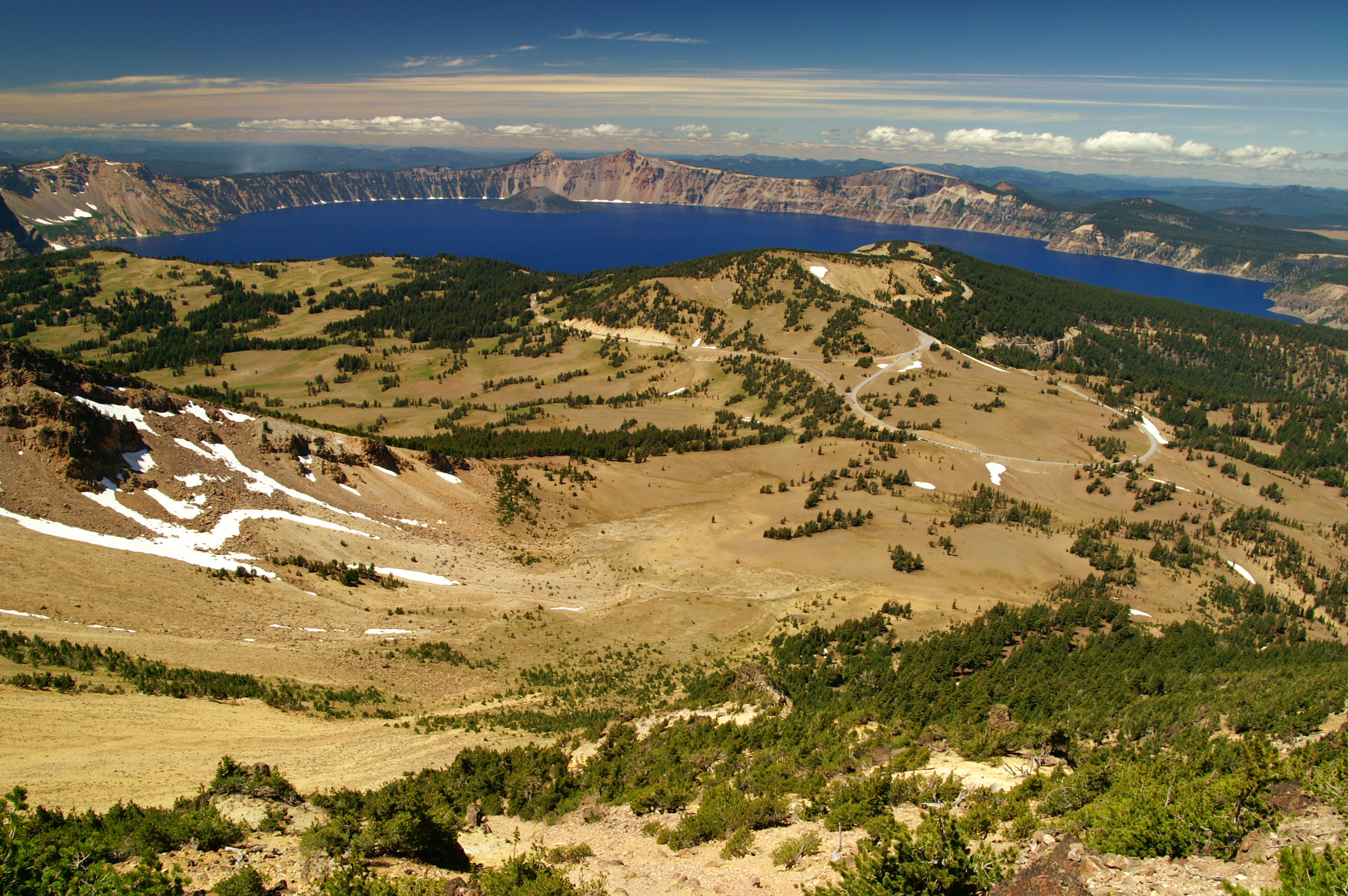
The historic Rim Drive includes 33-miles (53-km) of lake views, panoramic vistas, forests and meadows. The contours of the road were designed to compliment the natural landscape, and disappear from view as you look across the lake from any point.
- Biking at Crater Lake
Each year, increasing numbers of cyclists come to Crater Lake National Park to ride around the lake on the physically demanding, 33 mile (53 km) Rim Drive. Steep hills at high elevation may encourage even the most fit riders to pause at many of the road's thirty overlooks and pull-outs.
Source: National Park Service
Where is Crater Lake National Park?
Crater Lake National Park is in Oregon.
When was Crater Lake National Park established?
Crater Lake National Park was established in 1902.
How big is Crater Lake National Park?
Crater Lake National Park covers 286 square miles (183,224 acres).
How much does it cost to enter Crater Lake National Park?
Crater Lake National Park charges $30 per private vehicle. Other rates apply to motorcycles, cyclists and walk-ins, and some parks add their own reservation or surcharge on top.
Can you camp in Crater Lake National Park?
Yes. The National Park Service runs 2 campgrounds in Crater Lake National Park, with 230 campsites between them.
Does Crater Lake National Park have a visitor center?
Yes. Crater Lake National Park has 2 visitor centers: Rim Visitor Center, Steel Information Center.
Day trips start here
- Crater Lake National Park · 3 mi
Drive Crater Lake with Byway
Byway plans the scenic day around Crater Lake — real places, real weather, every stop verified. Zero hallucinations. Google Maps for turns. Byway for soul.