Glacier National Park

Official park boundary · National Park Service
Take the scenic way to Glacier National Park.
Byway plans around your taste, verified places, real weather and opening hours — then opens every leg in Google Maps with one tap.
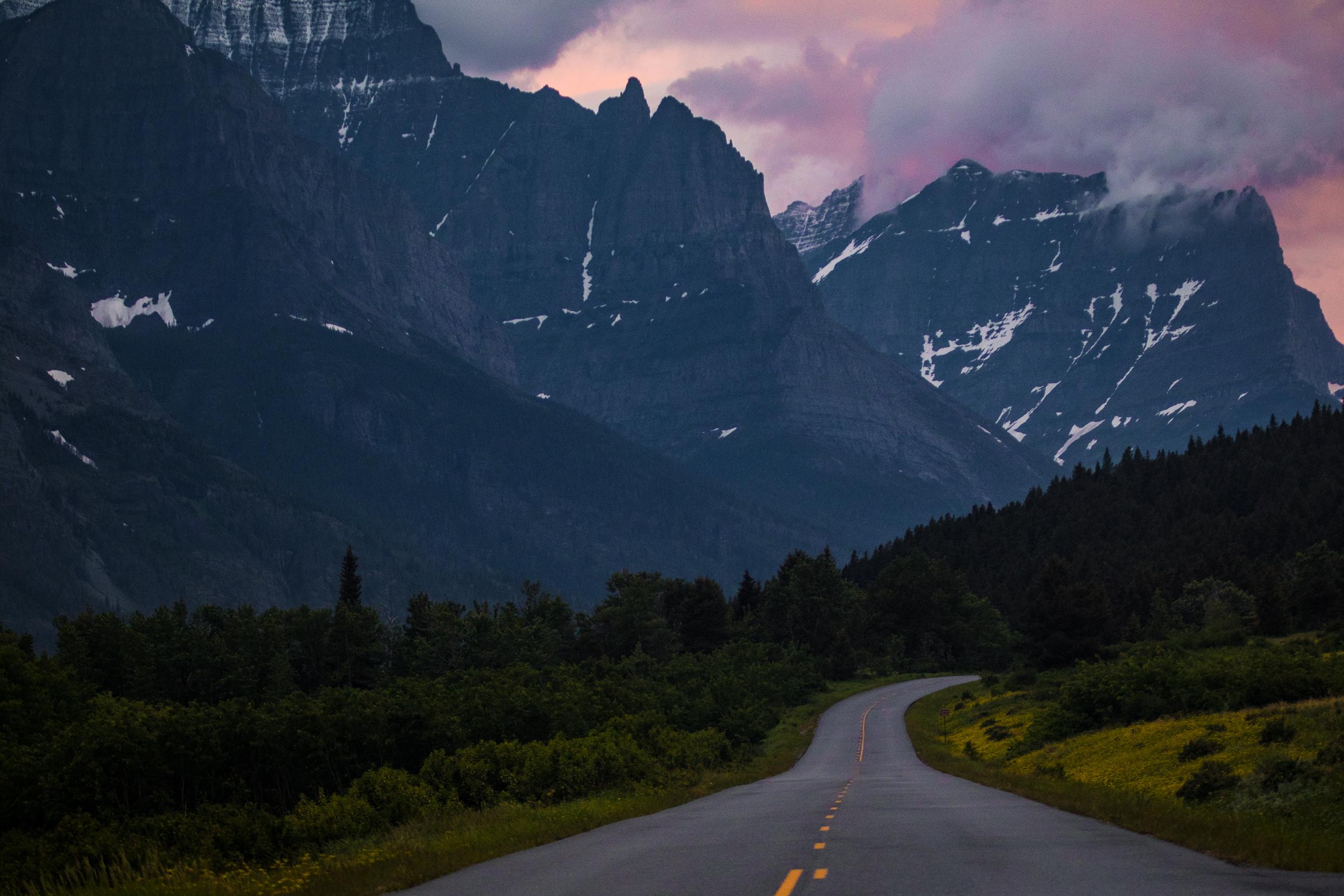
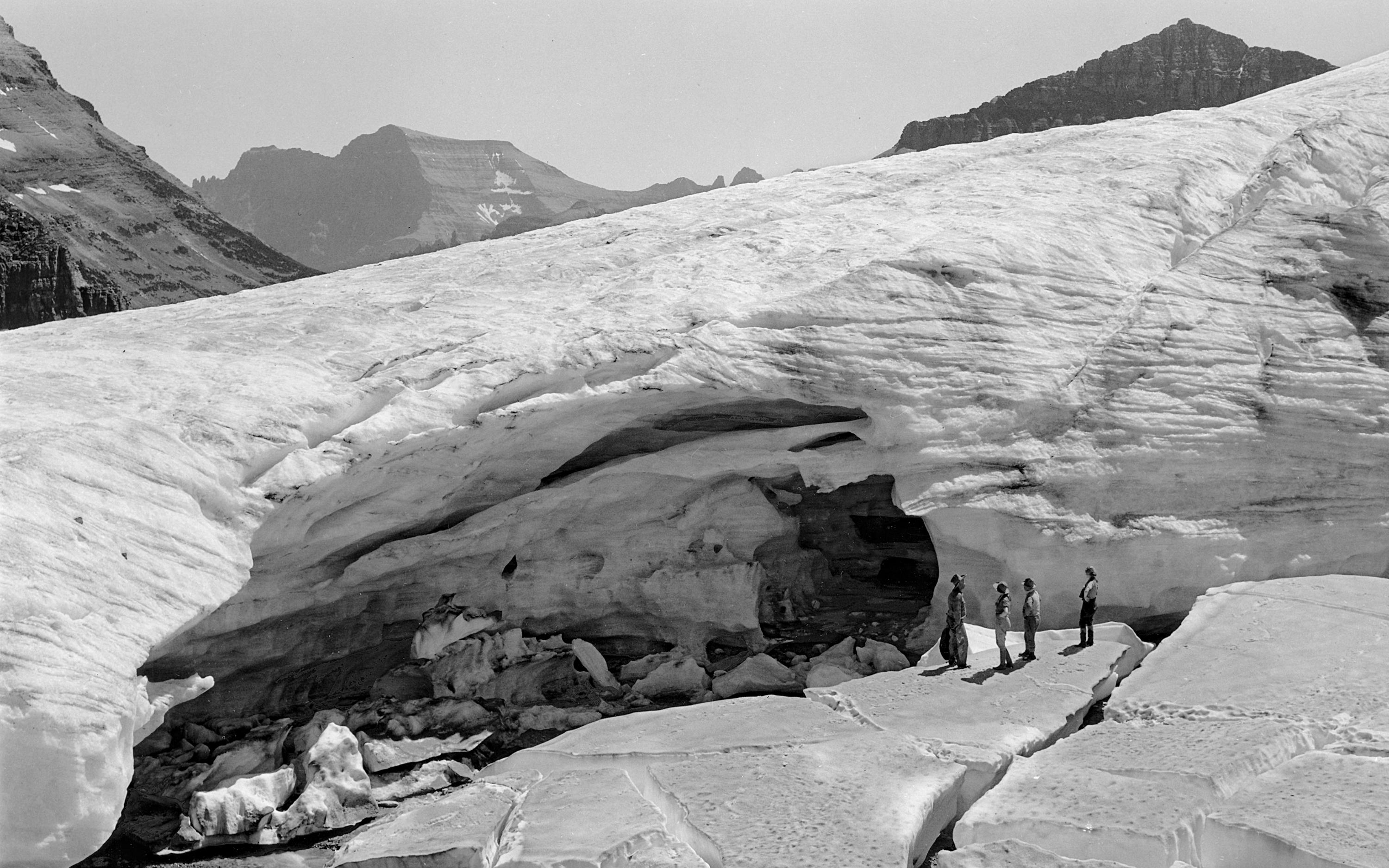
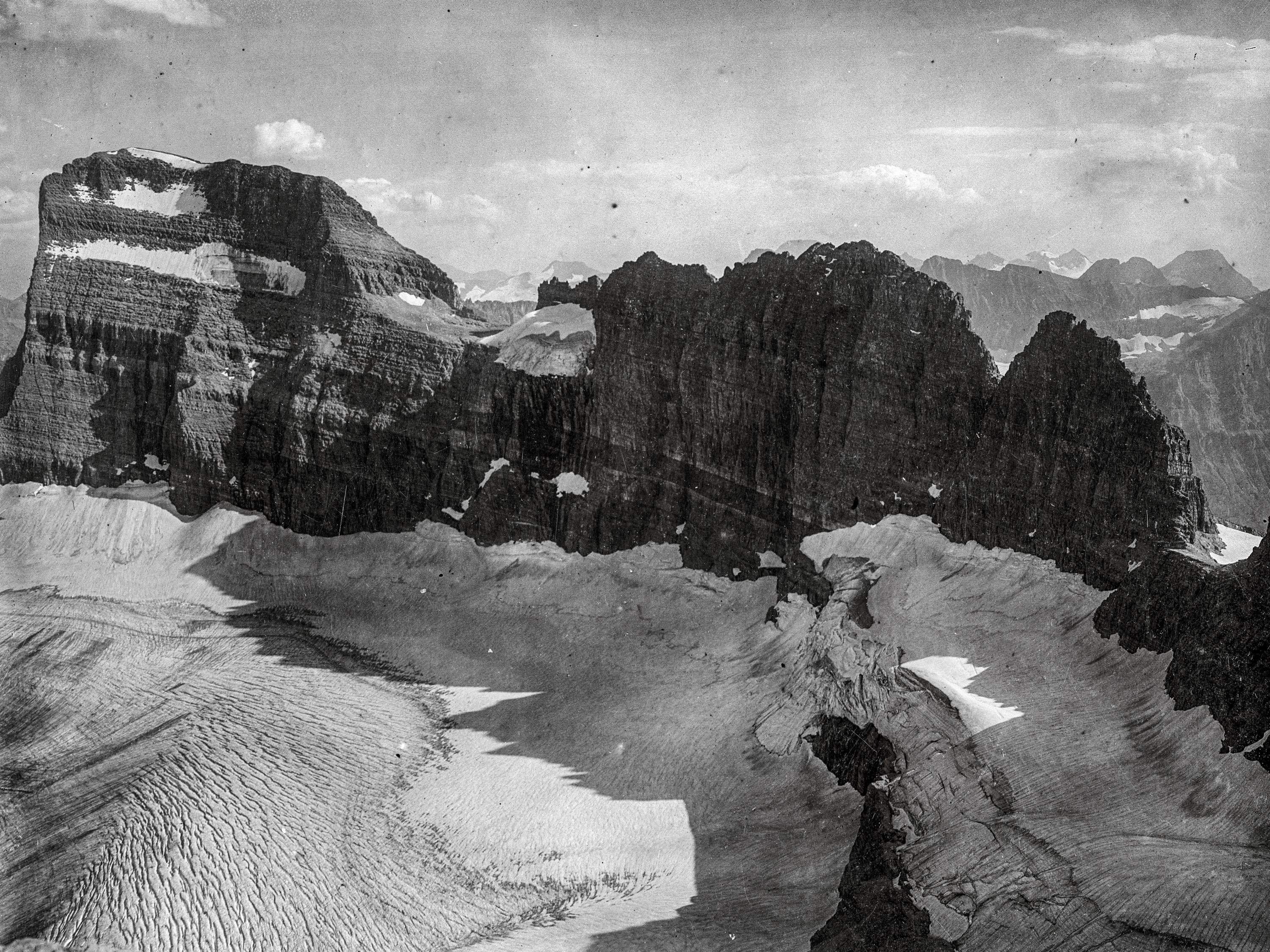
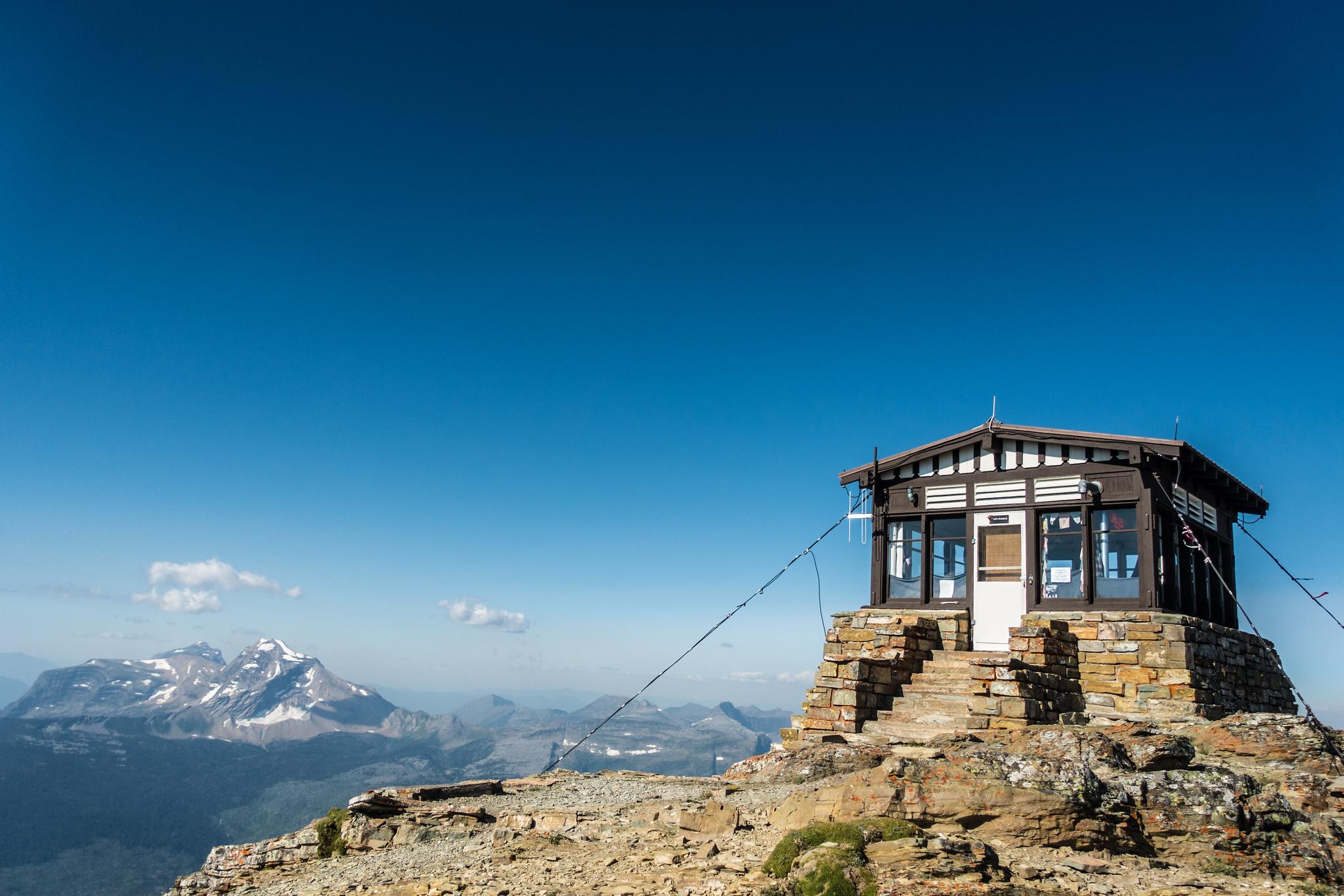
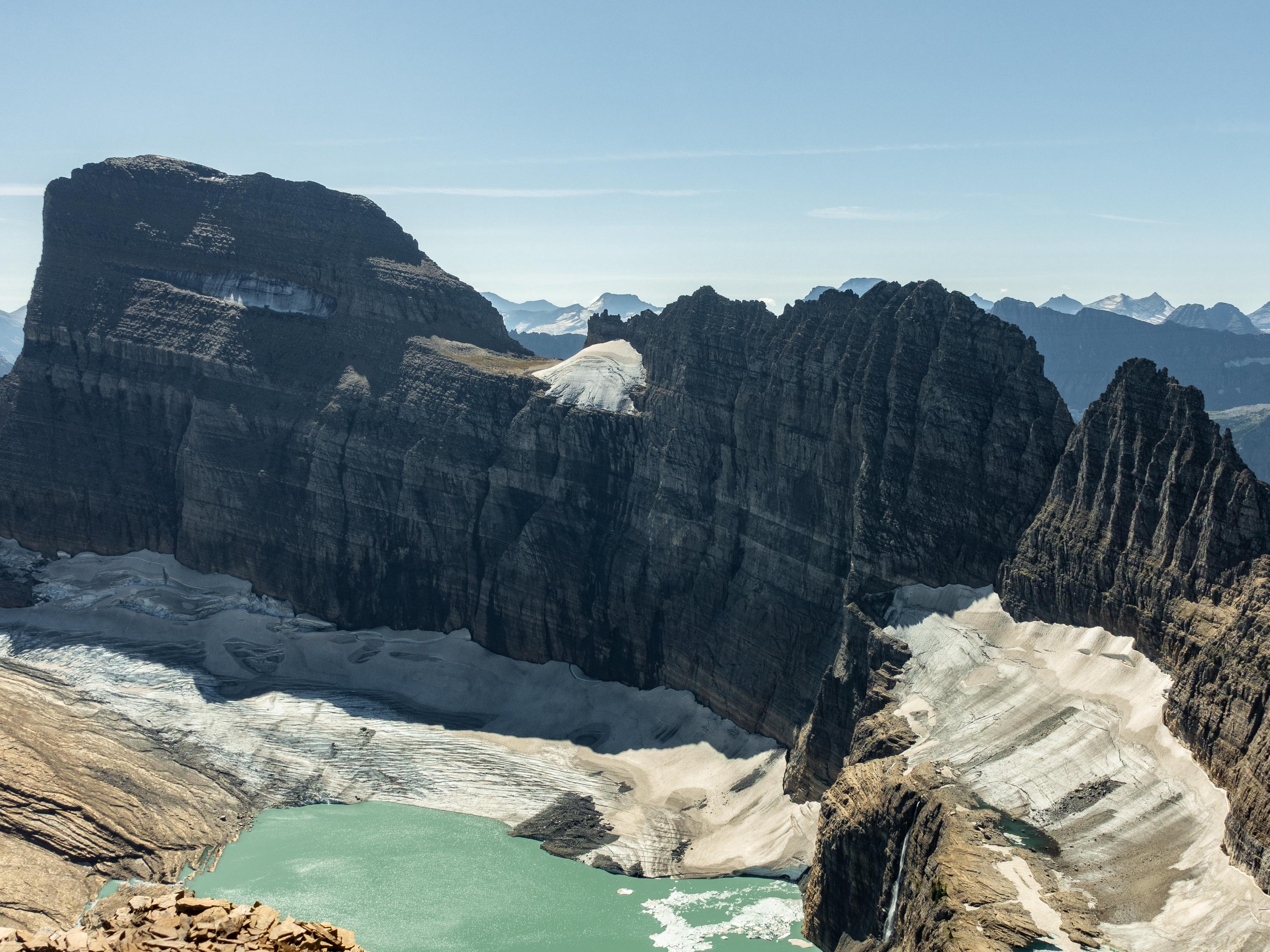
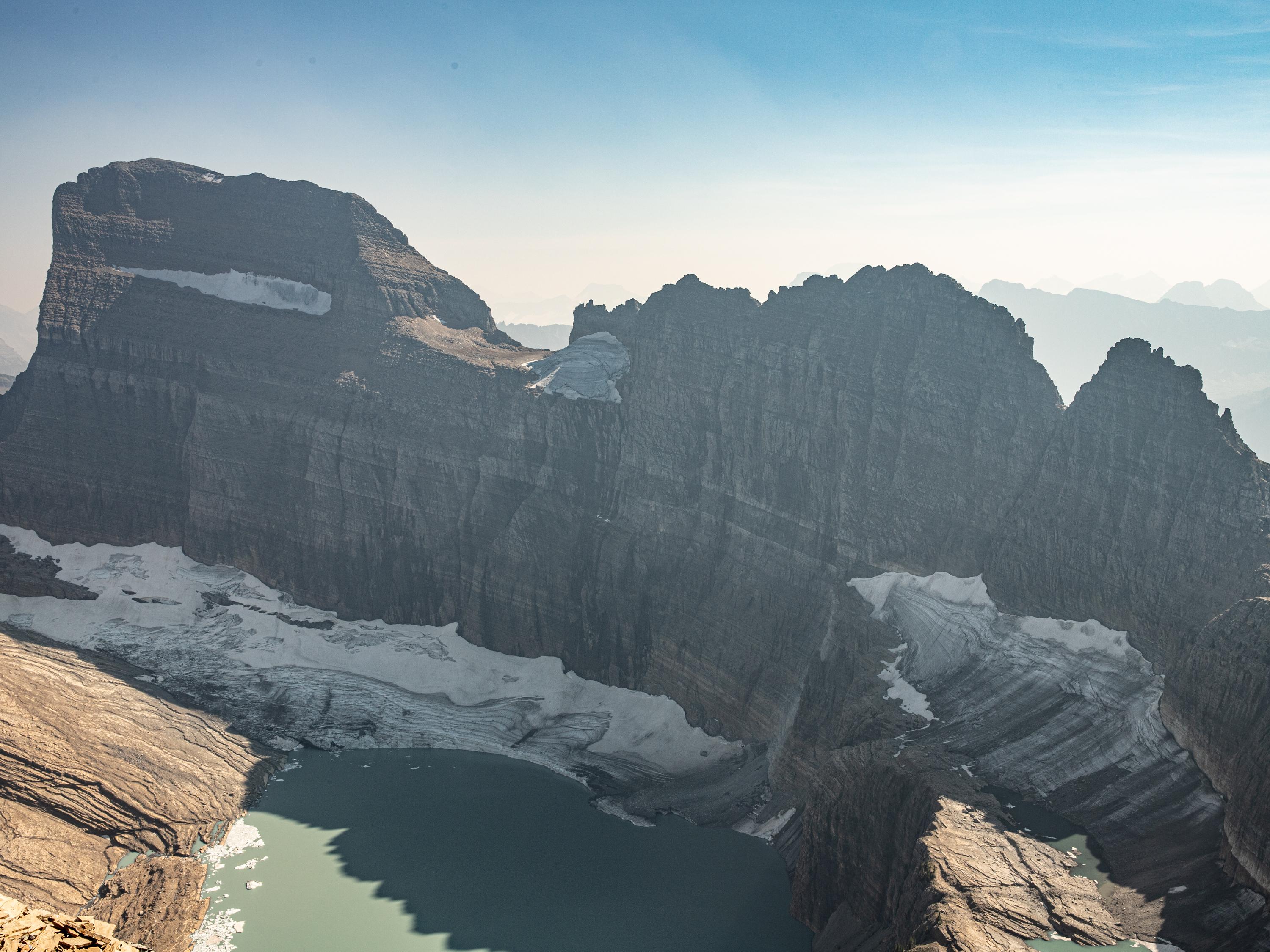
A showcase of melting glaciers, alpine meadows, carved valleys, and spectacular lakes. With over 700 miles of trails, Glacier is a paradise for adventurous visitors seeking a landscape steeped in human culture. Relive the days of old through historic chalets, lodges, and the famous Going-to-the-Sun Road.
Glacier National Park is a national park of the United States located in northwestern Montana, on the Canada–United States border. The park encompasses more than 1 million acres (4,100 km2) and includes parts of two mountain ranges, more than 130 named lakes, more than 1,000 different species of plants, and hundreds of species of animals. This vast pristine ecosystem is the centerpiece of what has been referred to as the "Crown of the Continent Ecosystem", a region of protected land encompassing 16,000 mi2 (41,000 km2).
Glacier National Park is located in the northwest corner of Montana along the spine of the Rocky Mountains. By car you can access Glacier via Highway 2, which runs along the southern boundary of the park. You can reach the east side of the park via Highway 89. The nearest airports are in Kalispell and Great Falls, Montana.
Glacier's weather is highly variable and can be extreme. Expect warm, sunny summer days but be ready for any type of conditions. In the winter, temperatures can fall well below freezing and typically the park receives considerable amounts of snow. Glacier's geography, straddling the Continental Divide, sets the stage for clashes of two very different climates. Warm, wet Pacific air moves in from the west, and cold, dry Arctic air flows from the northeast. They meet at the Divide.
Source: National Park Service
(Winter Rate - $25.00, November 1 to April 30) This is an entrance fee for all persons traveling in a single, private, non-commercial vehicle (car/truck/van). The pass is good for seven days and is non-transferable.
(Winter Rate - $15.00, November 1 to April 30) This is a per person entrance fee for a visitor traveling on foot, bicycle, or for individuals traveling together in a vehicle as a non-commercial, organized group.
(Winter Rate - $20.00, November 1 to April 30) Valid for 7 days. Admits up to 2 private, non-commercial motorcycles with up to 4 total passengers.
Entrance fees are based on the seating capacity of the vehicle (driver not included). Commercial Sedan entrance fee is $25, plus $20 per person, 16 years of age or older. The pass is good for seven days and is non-transferable.
Park facts, fees, and activities confirmed against the National Park Service registry.
National Park Service registryChecked 2026-08-04
- Listen to Glacier's Podcast
Rangers recommend Glacier's podcast, Headwaters: a podcast about how Glacier is connected to everything else!
- Red Foxes
Red foxes are found throughout the northern hemisphere. In Glacier, they are adapted to a wide range of habitats, from open grasslands to dense forests. Most abundant in riparian areas and along the edges of forests, they are the smallest of the canids found in the park.
- Bighorn Sheep
Bighorn sheep live in a variety of habitats throughout the year. During the summer, they can be found in meadows, fellfields, and on mid-elevation slopes bordered by cliffs and ledges. In the winter, sheep frequent windswept and south-facing valleys and ridges where forage is blown free of snow.
- Gray Wolves
The subspecies of gray wolves (Canis lupus) found in Glacier is called the northern Rocky Mountain gray wolf (C. l. irremotus). There are three color variants: gray, white, and black. Wolves are secretive and elusive creatures, with sightings primarily being of lone wolves or pairs.
- Elk
Glacier provides a summer range for a significant number of elk, while most winter at lower elevations outside the park. The subspecies occuring in Glacier is the Rocky Mountain elk (C. c. nelsoni).
- Wolverines
A mid-sized carnivore in the weasel family, the wolverine is active throughout the year in cold, snowy environments to which it is well-adapted. Wolverines are rarely seen and inhabit remote terrain. They are also known as one of the rarest and most elusive carnivores on the planet.
- Deer
Two types of deer are commonly seen thorughout Glacier: the northwestern white-tailed deer (O. v. ochrourus) and the Rocky Mountain mule deer (O. h. hemionus). Both will flee when in danger. Males grow antlers from April or May through August or September and then shed them in the spring.
- All about birding in Glacier National Park
Glacier provides a wonderful opportunity to birdwatch, with plenty of spaces for birders of all ages to sit, listen, and observe the sights and sounds of nature.
Source: National Park Service
Where is Glacier National Park?
Glacier National Park is in Montana.
When was Glacier National Park established?
Glacier National Park was established in 1910.
How big is Glacier National Park?
Glacier National Park covers 1,583 square miles (1,013,126 acres).
How much does it cost to enter Glacier National Park?
Glacier National Park charges $35 per private vehicle. Other rates apply to motorcycles, cyclists and walk-ins, and some parks add their own reservation or surcharge on top.
Can you camp in Glacier National Park?
Yes. The National Park Service runs 13 campgrounds in Glacier National Park, with 1014 campsites between them.
Does Glacier National Park have a visitor center?
Yes. Glacier National Park has 3 visitor centers: Apgar Visitor Center, Logan Pass Visitor Center, St. Mary Visitor Center.
Day trips start here
- Glacier National Park · 5 mi
Drive Glacier with Byway
Byway plans the scenic day around Glacier — real places, real weather, every stop verified. Zero hallucinations. Google Maps for turns. Byway for soul.