Glacier Bay National Park

Official park boundary · National Park Service
Take the scenic way to Glacier Bay National Park.
Byway plans around your taste, verified places, real weather and opening hours — then opens every leg in Google Maps with one tap.
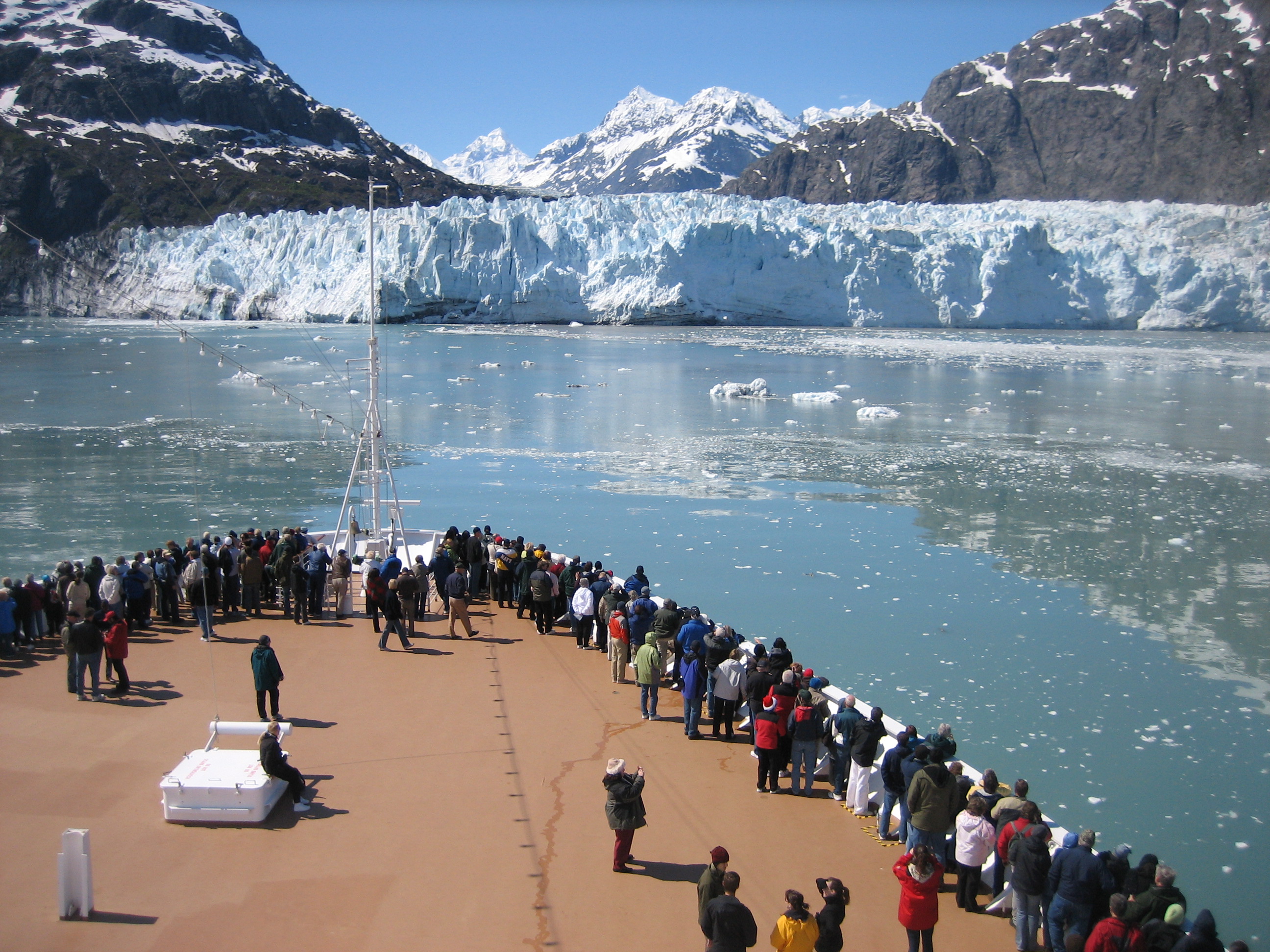
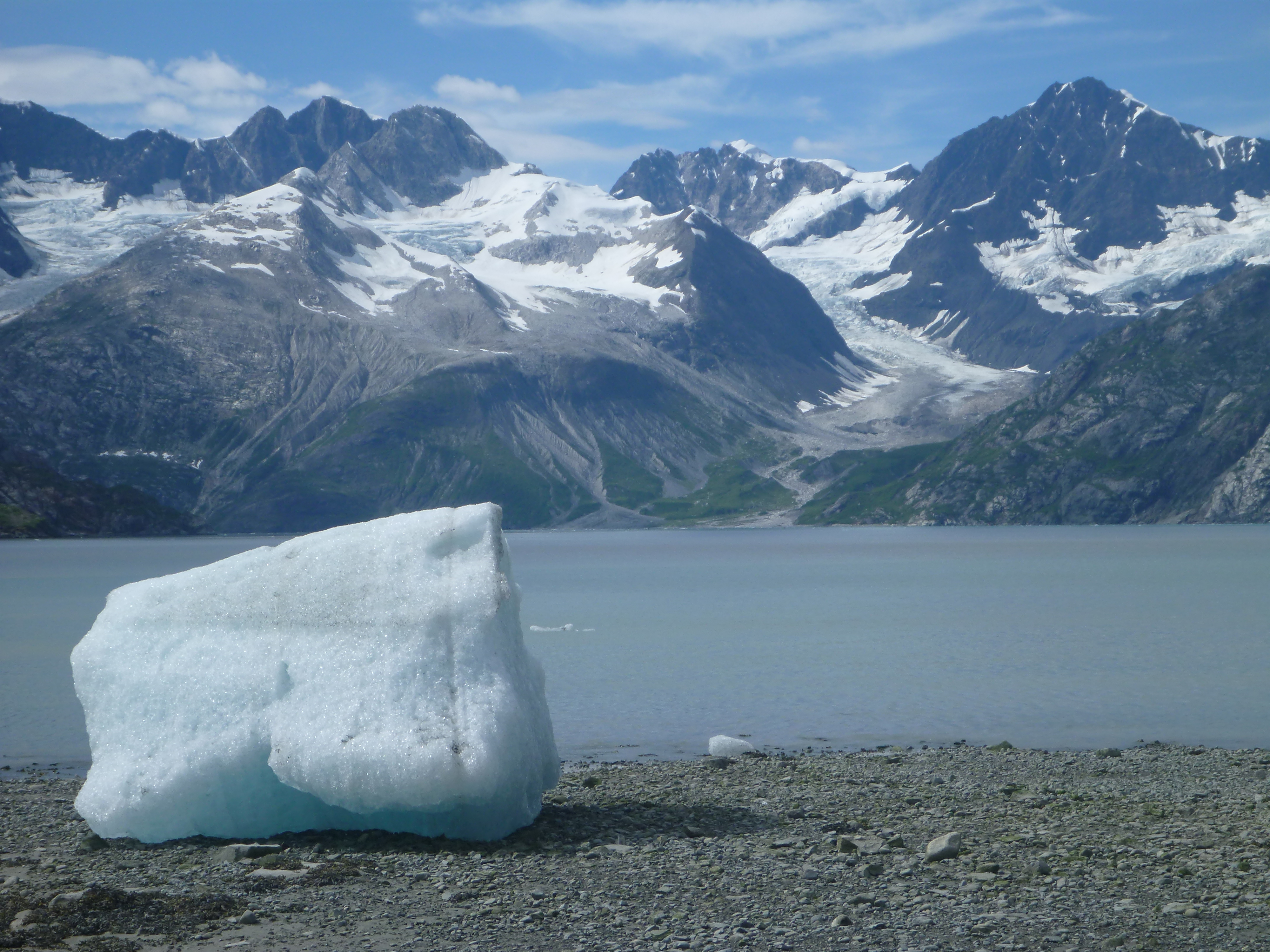
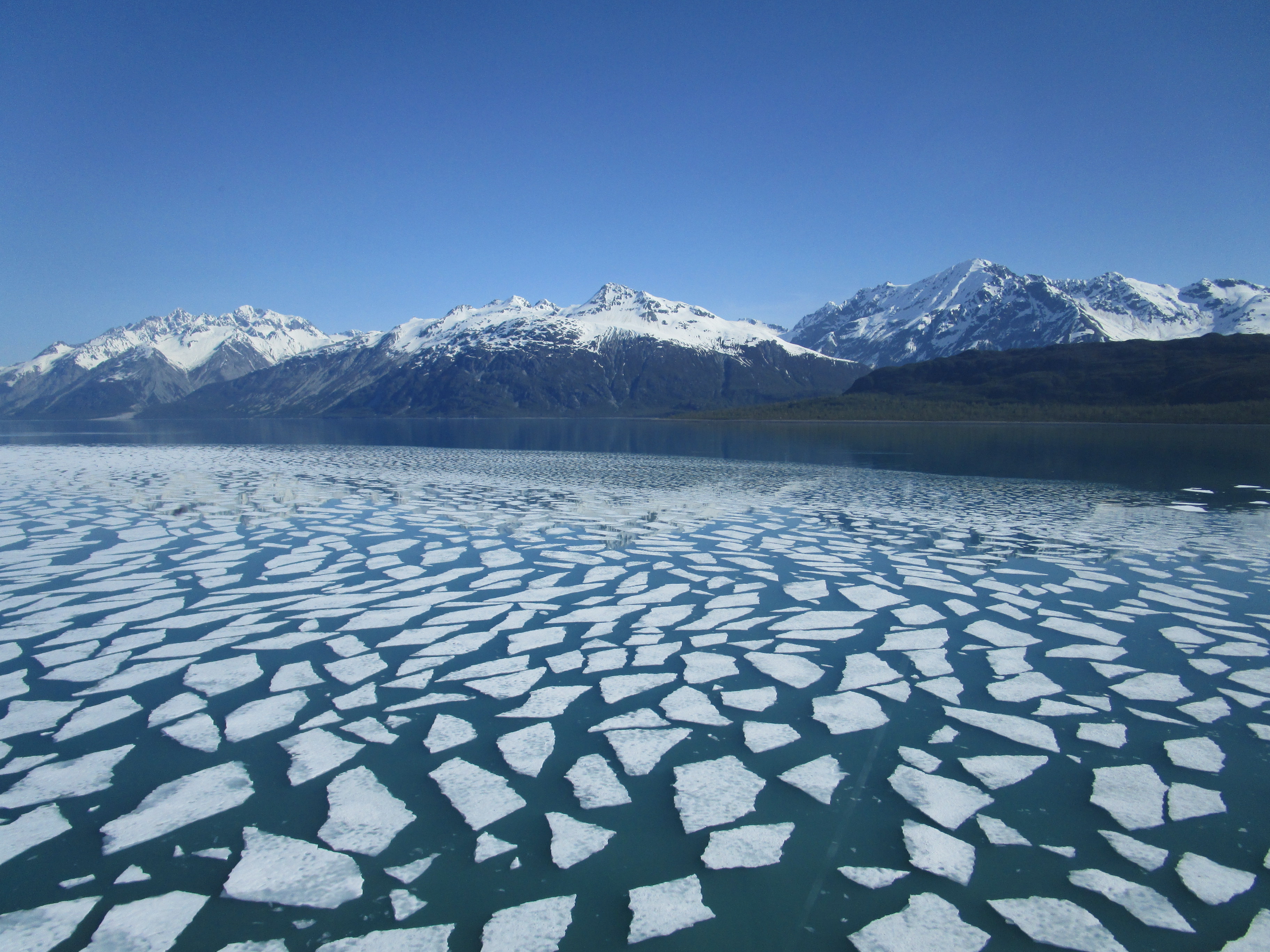
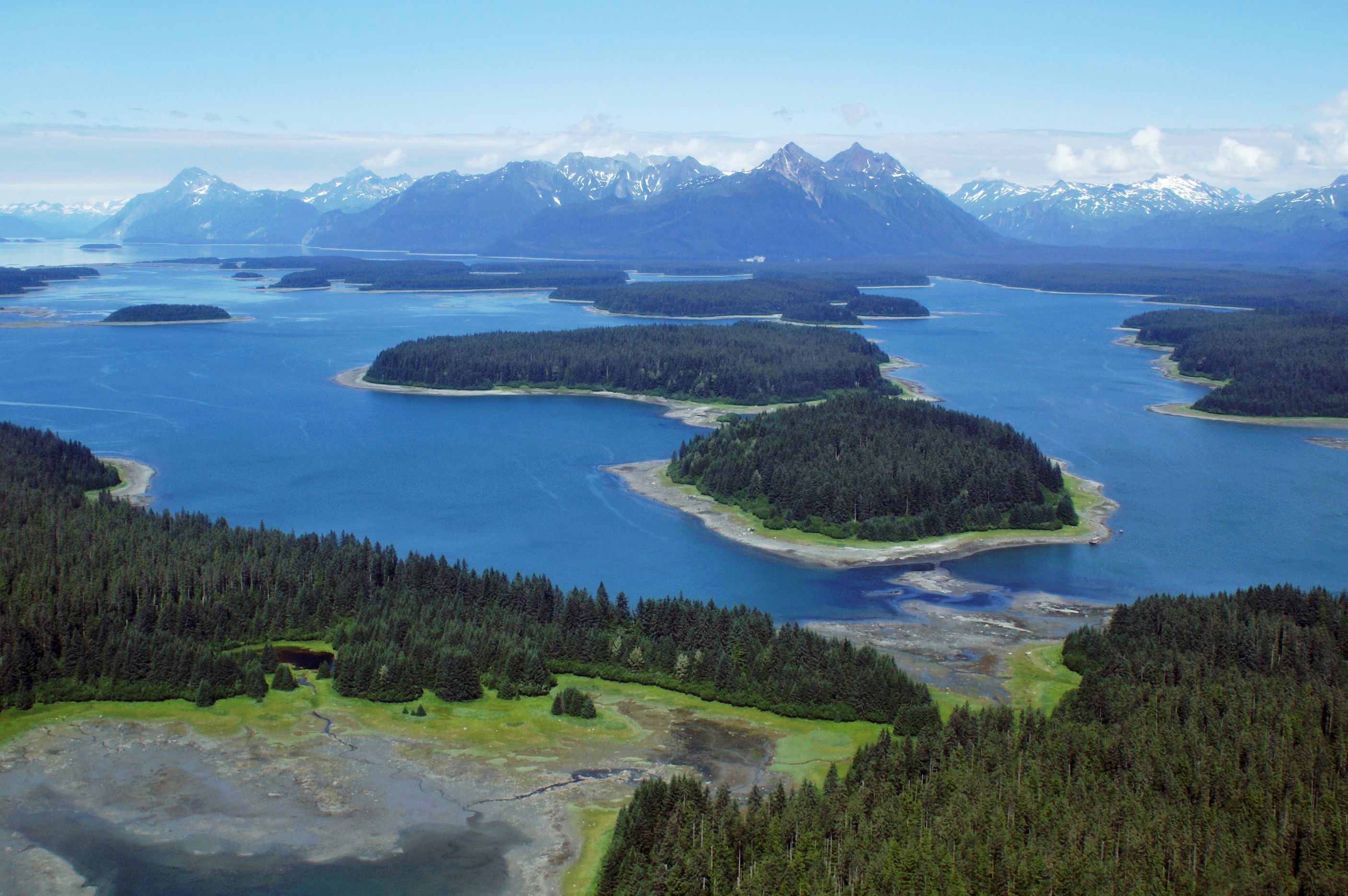
Covering 3.3 million acres of rugged mountains, dynamic glaciers, temperate rainforest, wild coastlines and deep sheltered fjords, Glacier Bay National Park and Preserve is known as Homeland to the Huna and Yakutat Lingít, and is a highlight of Alaska's Inside Passage. From sea to summit, Glacier Bay offers limitless opportunities for adventure and inspiration.
Glacier Bay National Park and Preserve is a national park of the United States located in Southeast Alaska west of Juneau. President Calvin Coolidge proclaimed the area around Glacier Bay a national monument under the Antiquities Act on February 26, 1925. Subsequent to an expansion of the monument by President Jimmy Carter in 1978, the Alaska National Interest Lands Conservation Act (ANILCA) enlarged the national monument by 523,000 acres on December 2, 1980, and created Glacier Bay National Park and Preserve. The national preserve encompasses 58,406 acres of public land to the immediate northwest of the park, protecting a portion of the Alsek River with its fish and wildlife habitats, while allowing sport hunting.
Glacier Bay National Park and Preserve lies west of Juneau, Alaska, and can only be reached by plane or boat. The only road in the area merely connects the small town of Gustavus and its airfield to park headquarters at Bartlett Cove (10 miles). Alaska Airlines provides daily jet service from Juneau to Gustavus in the summer months. Year-round scheduled air service is also provided by a variety of small air taxis and charters. The Alaska Marine Highway ferries also provide regular service from Juneau.
Summer temperatures average 50° to 60° F (10° to 15° C). Rain is the norm in lush southeast Alaska. It is best to be prepared to enjoy the park in any kind of weather, especially rain. Suggested clothing includes waterproof boots, rain gear, a hat, gloves, wool or pile layers or a warm coat. Good rain gear is essential here. April, May and June are usually the driest months of the year. September and October tend to be the wettest.
Source: National Park Service
Park facts, fees, and activities confirmed against the National Park Service registry.
National Park Service registryChecked 2026-08-04
- Experience the Huna Tribal House
Take a walk on the Łingít trail to see the first permanent clan house in Glacier Bay since Łingít villages were destroyed by an advancing glacier over 250 years ago.
- Kayak the Beardslees
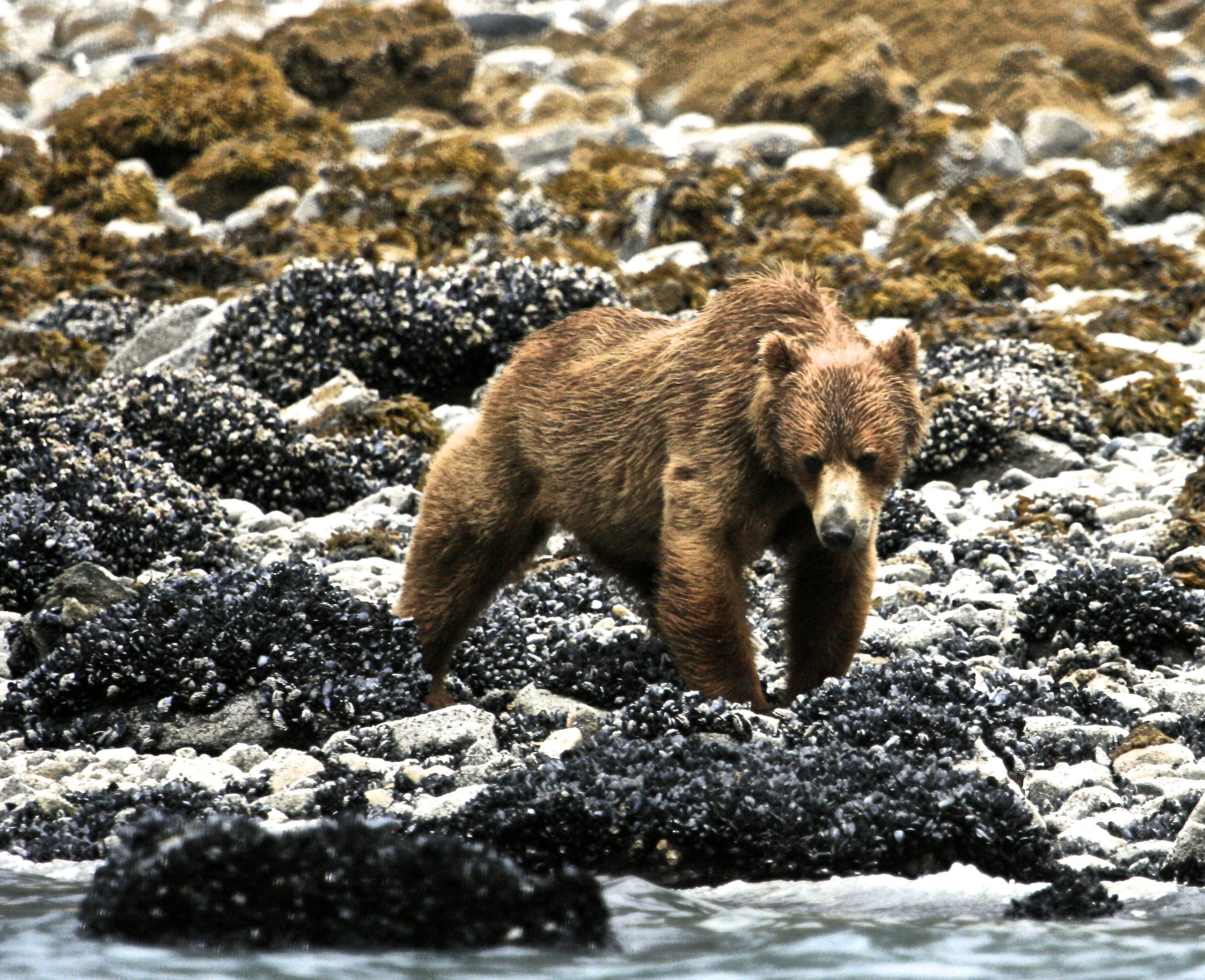
If you’re visiting Glacier Bay on a budget, one of the more accessible wilderness areas of the park is the Beardslee Islands. Kayak through these peaceful, wild waters and look for wildlife along the shoreline for a true Glacier Bay adventure.
- Hike the Trails at Bartlett Cove
Bartlett Cove has the only developed trails in the park. The forests and shorelines offer great hiking opportunities through a beautiful setting and a chance to see all manner of wildlife. Spend some time, stretch your legs, and discover the wonders of the park!
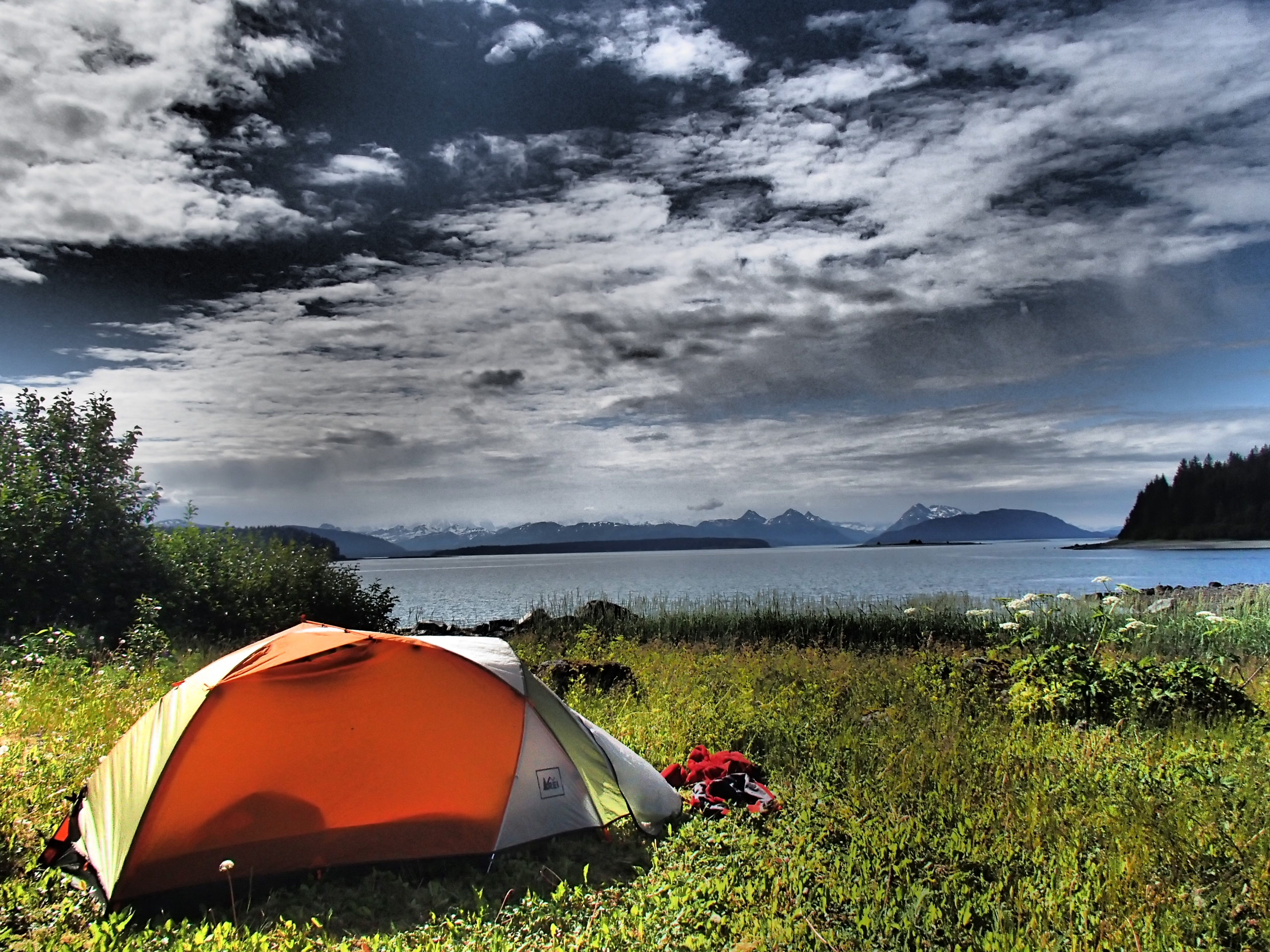
- Camp at Bartlett Cove
The Bartlett Cove Campground is steps away from incredible views of the Fairweather Mountains and the bay. Spend a night in this enchanting rainforest campground and listen to whales from where you sleep.
- Explore Gustavus
The town of Gustavus is considered the gateway to Glacier Bay. This charming Alaskan community offers plenty for travelers to explore as they make their way to the park.
- Stop by the Glacier Bay Visitor Center
Stop by the Glacier Bay Visitor Center to watch a program, join a ranger on a walk, or just explore the exhibits yourself. There's plenty to learn for visitors of all ages.
Source: National Park Service
Where is Glacier Bay National Park?
Glacier Bay National Park is in Alaska.
When was Glacier Bay National Park established?
Glacier Bay National Park was established in 1980.
How big is Glacier Bay National Park?
Glacier Bay National Park covers 5,037 square miles (3,223,383 acres).
Can you camp in Glacier Bay National Park?
Yes. The National Park Service runs 1 campground in Glacier Bay National Park, with 33 campsites between them.
Does Glacier Bay National Park have a visitor center?
Yes. Glacier Bay National Park has 2 visitor centers: Glacier Bay National Park Visitor Center, Visitor Information Station - Backcountry Office.
Drive Glacier Bay with Byway
Byway plans the scenic day around Glacier Bay — real places, real weather, every stop verified. Zero hallucinations. Google Maps for turns. Byway for soul.